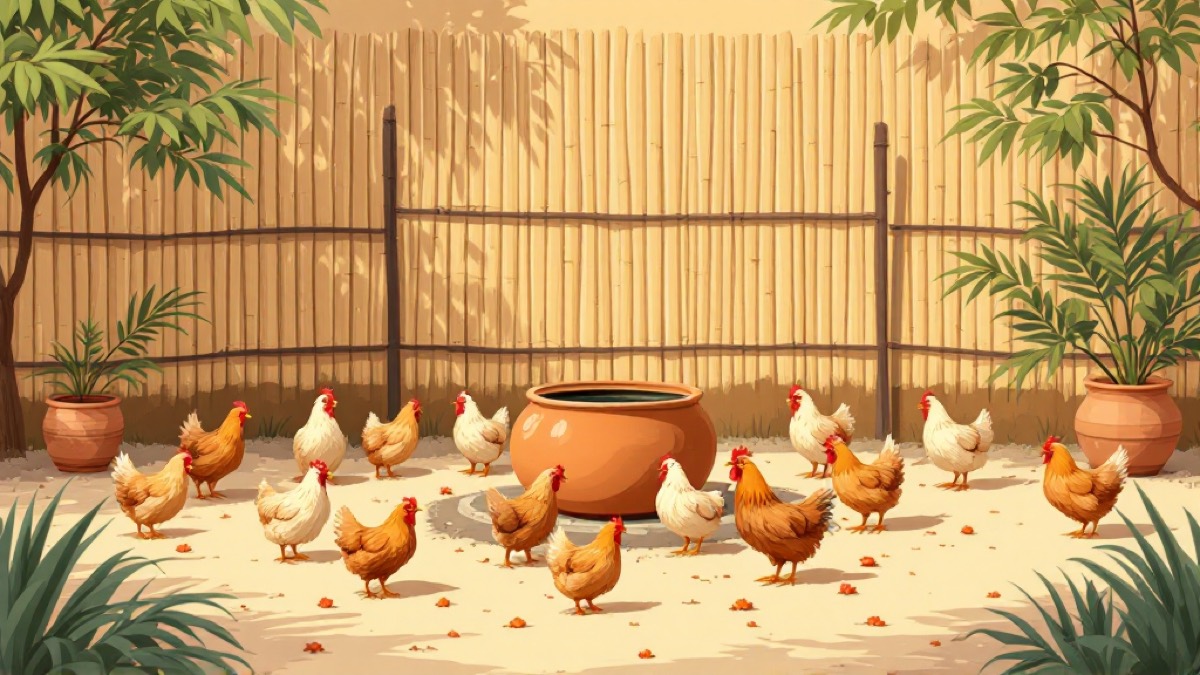
Starting a Backyard Flock: The Order That Works
TL;DR: The order matters more than any single decision. 1. Decide what the birds are for. 2. Check local rules, especially about roosters. 3. Build the housing. 4. Then buy stock. Most people reverse it, and the improvised setup they build in a hurry becomes permanent. Budget feed monthly rather than as a one-off — it is the cost that dominates everything else.
Getting the sequence right is most of what separates a good first year from an expensive one.
1. Decide What They Are For
This one decision determines breed, housing, cost and effort. Skipping it is why people end up with birds that do not do what they wanted.
| You want | Choose | Guide |
|---|---|---|
| Eggs, maximum | Commercial layer hybrid | Best layer chicken breeds |
| Eggs plus a table bird | Dual-purpose breed | Dual-purpose chicken breeds |
| Meat, fast | Commercial broiler | Broiler chicken breeds |
| Low input, hardiness, meat premium | Native or upgraded native | Native chicken raising |
| A flock that renews itself | Purebred or native — not a hybrid | Chicken breeds in the Philippines |
| Sabong breeding | Gamefowl — a different undertaking | How to start gamefowl farming |
The one that catches people: commercial hybrids do not breed true. If you want to hatch your own replacements, that decision has to be made now, at purchase.
2. Check the Rules
Before buying anything:
- Roosters are restricted in some subdivisions and barangays because of crowing — see why do roosters crow, and note that it cannot be trained out.
- Ask your barangay what applies locally.
- Talk to close neighbours early if you are on a small lot. A conversation beforehand is cheaper than a dispute afterwards.
3. Build the Housing First
Birds arriving before the housing is ready is the classic mistake, and the temporary setup built in a panic tends to become the permanent one.
What it needs:
- Shade and real ventilation at bird level — heat is the biggest constraint in the Philippines. See coop ventilation and keeping chickens cool.
- Drainage, graded away, before you need it.
- Predator security — fine mesh, sealed gaps, a pop hole you can close. Dogs are the main threat: chicken predators.
- Space, generously — see coop space per bird.
- Nest boxes if you are keeping layers — see nest box design.
- Typhoon resistance, built in — see typhoon-proof chicken coop.
Start with chicken coop design, or kulungan ng manok in Filipino, and low-cost poultry farm layout for building affordably.
Also set up: feeders and drinkers (DIY chicken feeder, DIY chicken waterer), sealed feed storage against rats, and somewhere to isolate a sick or new bird.
4. Then Buy Stock
Chicks or grown birds?
| Chicks | Point-of-lay pullets | |
|---|---|---|
| Cost per bird | Lower | Higher |
| Time to eggs | Months | Soon |
| Risk | Brooding is where beginners lose birds | Lower |
| Skill needed | Brooding | Less |
Neither is wrong. Chicks are cheaper and demand brooding done properly; pullets cost more because someone already paid the months of feed — see pullet chicken and day-old chick prices.
If buying straight-run chicks, roughly half are male — budget for that and decide early what happens to the cockerels.
Where to buy: where to buy day-old chicks. Quarantine anything that is not a day-old chick from a hatchery.
Budget Feed Monthly
The purchase price of birds is small. Feed is the cost that continues, and it dominates everything.
- Measure your own consumption over a week — see how much feed does a chicken eat per day.
- Feed the right ration for the stage: starter, grower, layer.
- Never layer feed to growing birds — the calcium harms them.
- Do not let scraps and rice become the diet. This is the most common beginner mistake in the Philippines: birds look fed and underperform. See kitchen scraps for chickens and darak.
The First Three Months
- Watch them daily — see paano malaman kung may sakit ang manok.
- Learn what normal looks like for your birds, so abnormal registers.
- Build the health basics: a vaccination programme with your agrivet (bakuna sa manok), parasite management (deworming guide), and biosecurity.
- Keep records from day one — see keeping records that are actually useful.
- Expect some losses. Everyone has them.
The Honest Limits Here
The sequence and the considerations here are standard poultry-keeping practice. This guide gives no costs, flock sizes, dimensions or prices, because those depend on your goal, your space and current market prices — see how many chickens to start with for sizing and measure your own feed costs. Local rules on keeping poultry, and roosters in particular, vary by barangay and subdivision; check before buying.
Related: how many chickens to start with, beginner mistakes worth avoiding, chicken coop design, chicken breeds in the Philippines.
Frequently Asked Questions
What is the first thing to do when starting a backyard flock?
Decide what you want the birds for — eggs, meat, self-sufficiency or breeding. That single decision determines the breed, the housing and the cost, and it is the one most people skip.
Should I build the coop before buying birds?
Yes. Birds arriving before the housing is ready is the most common beginner mistake, and it leads to improvised setups that stay improvised.
Is it better to start with chicks or grown birds?
Chicks are cheaper and need brooding, which is where beginners lose birds. Point-of-lay pullets cost more and skip the risky months. Either works; know which you are choosing.
Do I need a rooster?
Only if you want fertile eggs to hatch. Hens lay perfectly well without one, and in a residential area the crowing is a real consideration.
How much does it cost to start?
Housing, stock, feeders and drinkers, and feed. Feed is the ongoing cost that dominates everything else, so budget it monthly rather than as a one-off.
What is the most common beginner mistake?
Feeding scraps and rice as the main diet, which dilutes the balanced ration and leaves birds underperforming while apparently well fed.
Do I need permits for a few backyard chickens?
Requirements vary by locality, and subdivisions and barangays sometimes restrict roosters specifically. Check locally before buying.