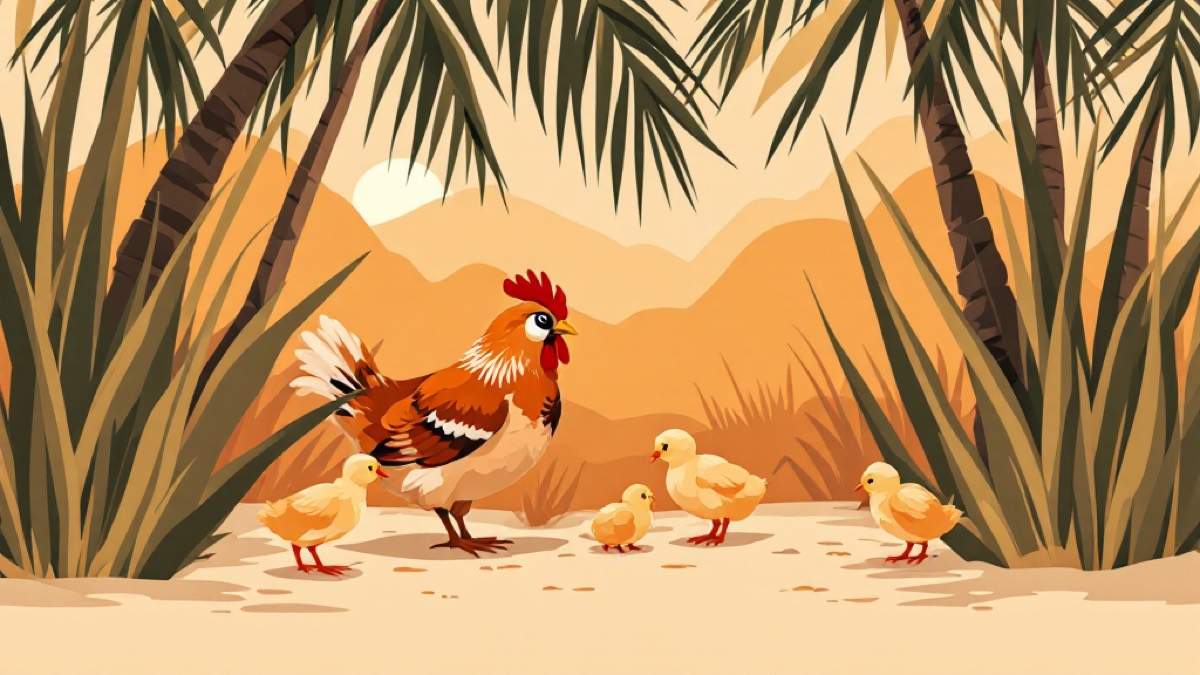
Native Chicken Raising in the Philippines: Where to Start
TL;DR: Native chicken raising in the Philippines centers on hardy, slow-growing local stock kept free-range or semi-free-range with secure night housing. Expect a much longer path to market weight than a broiler, lower feed cost from scavenging, and the same core disease risks as any backyard flock. Start with housing and a health routine before worrying about breed.
Raising native chicken is the oldest form of poultry keeping in the Philippines, and it is still the most common one — most backyard flocks in the country are native or native-cross birds, not commercial breeds. This guide is a starting point for someone new to it: what to expect, what to set up first, and where the real information gaps are.
It does not promise fast returns or precise numbers where none exist. Native chicken production is less standardized than commercial broiler or layer farming, and this guide says so plainly rather than inventing figures to fill the gaps.
What Counts as a Native Chicken?
A native chicken is generally any local, non-commercial chicken descended from long-established Philippine stock rather than an imported broiler or layer line — most are unclassified backyard birds, not registered breeds.
A smaller number belong to named, documented breeds — Darag, Banaba, Bolinao, Camarines, and others covered in our guide to Philippine native chicken breeds — that research institutions like DOST-PCAARRD and partner state universities have studied and, in some cases, selectively bred into more uniform lines. In everyday use, especially in the Visayas, people also call these birds manok na Bisaya, a colloquial term for local chicken rather than a specific breed name.
For a beginner, the distinction mostly matters if you want predictable traits (egg output, growth rate, appearance) — in which case sourcing a documented breed from a known program is worth the extra effort. If you just want hardy backyard birds, ordinary local stock from a neighbor or a wet-market supplier is the realistic starting point for most raisers.
What Housing Does a Native Chicken Flock Need?
Less than a commercial flock, but not nothing — every native chicken setup still needs secure, dry night housing even if the birds free-range all day.
A simple raised coop with a wire mesh floor, a solid or partly enclosed roof, and mesh sides for ventilation covers the basics. See our chicken coop design guide (or the Tagalog version) for materials and layout, our coop ventilation guide for airflow in Philippine heat, and how much space a bird needs for sizing a run or pen if you are not fully free-ranging. Whatever the design, regular cleaning and disinfecting matters more for disease control than the materials used to build it.
Should You Free-Range or Pen-Raise Native Chickens?
Most native chicken keeping in the Philippines is free-range or semi-free-range, because that is what the birds are adapted for and it is what keeps feed cost down.
Free-ranging lets birds forage for insects, seeds, and greens, cutting the amount of purchased feed needed — but it also means less control over growth rate, exposure to predators and other flocks’ diseases, and eggs laid in scattered, hard-to-find spots. Penned or semi-confined systems trade some of that natural foraging for more predictable growth and easier monitoring. Our dedicated guide to free-range native chicken farming covers the trade-offs and setup in more depth.
What Do Native Chickens Eat?
Native chickens are adapted to scavenge — insects, seeds, kitchen scraps, and whatever the range area offers — but supplemental feeding improves growth and egg production over scavenging alone.
DOST-PCAARRD’s guidance on native chicken range management recommends supplemental feeding especially where the range cannot fully support the flock, typically given morning and afternoon so the birds also develop the habit of returning to a fixed point — useful for keeping track of a free-range flock. See our full guide to feeding native chickens for what a supplemental ration looks like in practice.
How Native, Broiler, and Layer Birds Compare
| Trait | Native chicken | Commercial broiler | Commercial layer |
|---|---|---|---|
| Primary purpose | Dual-purpose (meat + eggs) | Meat | Eggs |
| Growth to market weight | Slower — commonly cited in the three-to-four-month range | Fast — typically 5-8 weeks | Not raised for meat growth speed |
| Feed strategy | Scavenging + light supplementation | Full commercial feed, closely managed | Full commercial layer feed |
| Disease resistance | Generally hardier in backyard conditions | More feed-efficient but less hardy without controlled housing | Bred for lay consistency, not hardiness |
| Housing needs | Basic secure shelter; free-range common | Controlled housing, higher stocking density | Controlled housing, often caged or semi-confined |
This table is a general comparison, not a set of guaranteed numbers — see the honest-limits note below on why native chicken figures in particular vary more than commercial breed figures.
What Should a Beginner Set Up First?
Housing before birds, not the other way around — the single most common mistake in backyard poultry keeping generally is bringing home chicks before there’s a secure, dry place to put them.
A practical order: build or buy a small coop first, decide whether you’re going free-range, semi-free-range, or fully penned before you finalize the coop’s run area, then source birds. Sourcing matters too — a neighbor’s healthy, established flock or a known local supplier is a safer starting point than an unfamiliar seller, since you can’t assess a bird’s health history from a listing photo. If you want a specific documented breed rather than generic local stock, our native chicken breeds guide covers which institutions to buy from for traceable lineage.
Flock size is worth planning deliberately too. A handful of hens and one rooster is enough for a household aiming for eggs and the occasional meal; scaling toward a small commercial operation changes the housing, range, and record-keeping requirements considerably, and that jump is worth planning for rather than backing into gradually.
What Should You Expect in the First Few Months?
Slower visible progress than a first-time broiler raiser would see, and that’s normal for the breed type, not a sign something is wrong.
Expect chicks to take noticeably longer to feather out and reach a size where sex becomes obvious compared to a commercial broiler chick — our guide to sexing chicks covers what to look for regardless of breed. Expect early losses to be more common than a seasoned raiser’s steady-state mortality, since chicks are the most vulnerable stage for any flock; a tight biosecurity routine matters most in these first weeks. And expect egg-laying, if that’s a goal, to start on its own schedule rather than a fixed date — native hens don’t follow the same predictable point-of-lay timeline bred into commercial layers.
What Health Risks Should You Actually Watch For?
The same diseases that threaten any backyard flock threaten native chickens, and free-ranging can raise exposure rather than lower it.
Newcastle disease, fowl pox, internal parasites, and external parasites (lice and mites) are the ones worth building a routine around, because free-ranging birds have more contact with wild birds, rodents, and other flocks’ droppings than penned birds do. Our guides to Newcastle disease, fowl pox, internal parasites and worms, and a general deworming schedule cover the specifics. Backyard flock biosecurity is the single most useful habit for any free-range setup — quarantine new birds, control visitor and vehicle traffic, and keep wild bird contact down where you can.
What Does It Cost, and What Can You Expect to Earn?
Honestly: this varies too much by region, scale, and market channel to state as a single figure, and this guide will not invent one.
Native chicken commands a real price premium over broiler in most Philippine markets, but the exact numbers move with feed cost, region, season, and whether you’re selling live or dressed weight. Our native chicken price guide walks through what actually drives the price and how to check current numbers yourself rather than relying on a figure that may already be stale by the time you read it.
What Isn’t Well Documented Here?
Native chicken production in the Philippines is real, widespread, and economically significant, but it is far less standardized in the published record than commercial broiler or layer farming. Growth curves, feed conversion, and mortality rates for ordinary backyard native stock are not tracked with the same rigor as commercial breeds — the research that exists (DOST-PCAARRD, state universities) mostly covers specific named breeds under managed conditions, not the average backyard mixed-stock bird. Where a number below is stated, it is attributed to where it came from; where it isn’t, that’s because a reliable one doesn’t exist to cite.
Got a native chicken setup that works for your area? The details that matter most — what actually survives the wet season, what predators are the real problem locally — usually come from raisers, not research papers. Share what you’ve learned.
Frequently Asked Questions
Is native chicken raising profitable for a backyard setup?
It can supplement income or feed a household, but it is a slow, low-input system rather than a fast-turnover business — native birds take much longer to reach market weight than broilers, so plan around months, not weeks.
Do native chickens need a coop, or can they just roost outside?
They need secure night housing even in a free-range system. A simple raised coop protects them from dogs, cats, snakes, and rats — the birds free-range by day and return to a closed structure at night.
What is the difference between a native chicken and a "native breed"?
Most backyard "native chickens" in the Philippines are unclassified local stock, not registered purebreds. Named breeds like Darag, Banaba, or Bolinao exist and are documented by research institutions, but the average backyard bird is a mixed descendant of generations of local, largely undocumented crossing.
How long does a native chicken take to reach market size?
Meaningfully longer than a broiler. Broilers are commonly raised to slaughter weight in about 5-8 weeks; native chickens are generally reported in the three-to-four-month range to reach a comparable live weight, though this varies by feeding level and bloodline and is not tightly standardized the way broiler growth curves are.
Can native chickens free-range without any supplemental feed?
They can survive on scavenged feed, but growth and egg production improve with supplementation. DOST-PCAARRD guidance on native chicken range management recommends supplemental feeding, particularly when the range area cannot support the flock on forage alone.
What health problems are most common in free-range native flocks?
The same core diseases that affect any backyard flock — Newcastle disease, fowl pox, internal parasites, and external parasites are the ones to actively guard against, since free-ranging birds have more contact with wild birds, rodents, and contaminated ground than penned birds.
Should a beginner start with native chickens or a commercial breed?
Native chickens are a reasonable beginner choice specifically because they are hardier and more forgiving of imperfect housing and feeding than commercial broilers or layers, but they reward patience over quick returns.