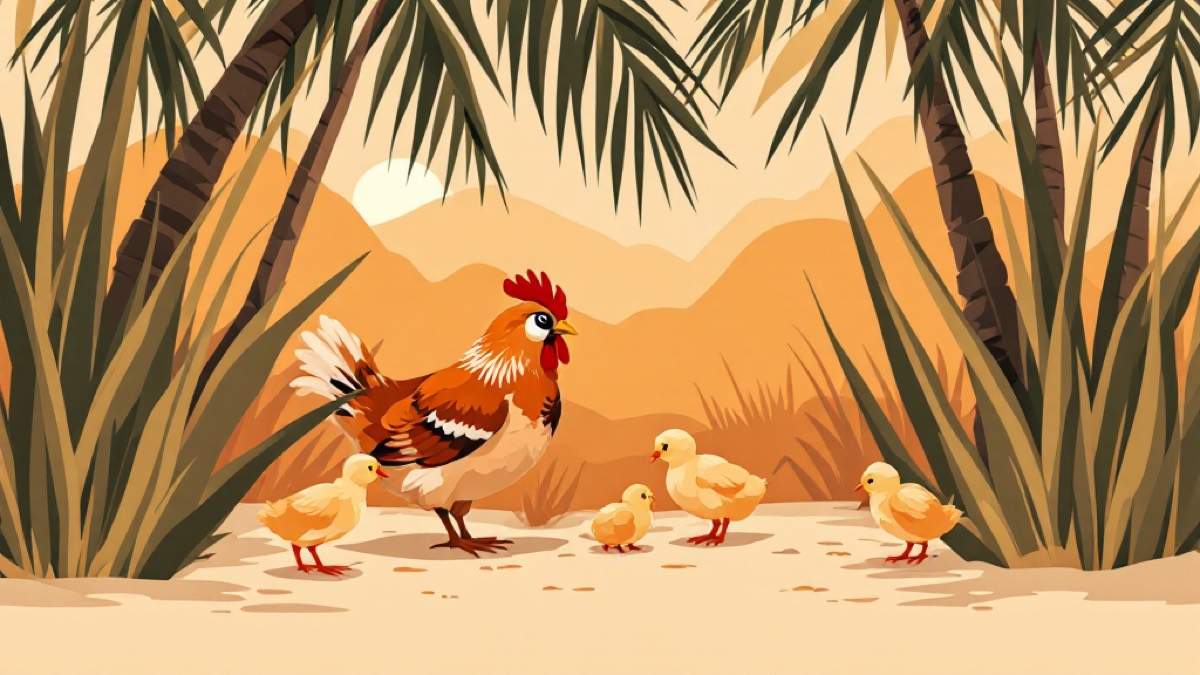
ZamPen Native Chicken: The Zamboanga Peninsula Line
TL;DR: ZamPen is a Philippine native chicken from the Zamboanga Peninsula, and one of only four native lines with a full production profile on DOST-PCAARRD’s Poultry ABS Information System. Documented as red hackle over a black body, upright stance, pea comb, with a recorded lay rate of around 105 eggs per hen per year — close to Darag, the best-documented native line. Sourcing outside its home region is the practical limitation.
Being well documented is the unusual thing about this breed, and it is the reason a guide can say anything specific at all.
What Is Documented
| ZamPen | |
|---|---|
| Region | Zamboanga Peninsula |
| Plumage | Red hackle over a black body |
| Stance | Upright |
| Comb | Pea comb |
| Recorded lay rate | ~105 eggs per hen per year |
Those figures come from the national production database maintained under DOST-PCAARRD, which profiles four native breeds in full — ZamPen among them, alongside Darag, Camarines and Boholano. Our native chicken breeds in the Philippines guide sets out the whole list and which lines have what level of documentation.
The pea comb is the distinguishing visual feature. Several other documented native lines carry single combs, so it is a useful identifying detail — though as with all appearance, it describes rather than proves ancestry.
How It Sits Against the Others
Among documented native breeds, ZamPen’s recorded lay rate is at the higher end — close to Darag and well above the ~62 eggs per hen per year recorded for Camarines and Boholano.
Two things worth being careful about:
Better documented is not the same as better. The four breeds on the database are the ones that have been studied, not necessarily the four best birds. Several other named native lines — Banaba, Bolinao, Paraoakan, Joloano — are consistently named across independent sources without carrying a full profile.
Native lay rates are not commercial lay rates. Around 105 eggs a year is a strong figure for a native breed, and a commercial layer hybrid produces multiples of it. That is not a criticism of the bird — see broiler vs native vs layer for why native stock is kept for different reasons entirely: hardiness, low purchased feed, self-renewal, and a meat premium.
Keeping ZamPen
The same as native chicken keeping generally, because nothing about this line changes the fundamentals:
- Native chicken raising — the full system.
- Free-range native chicken farming — semi-scavenging, where native stock earns its keep.
- Native chicken feeding — foraging supplements a ration during growth and lay; it does not replace one.
- Free-range chicken house design — night shelter, nests, a pop hole you can close.
- Chicken predators — the main cost of range-based systems.
Native hens go broody readily, which is both why their egg numbers are lower and why the flock renews itself without an incubator — see hatching under a broody hen.
Sourcing
Realistically:
- DA and LGU livestock programmes, which distribute native and upgraded native stock and are the usual route — ask your municipal or provincial agriculture office.
- Breeders within the region.
- Availability drops sharply outside Zamboanga Peninsula. This is the practical constraint, and it is worth asking locally before planning around the breed specifically.
Whatever the source, quarantine incoming birds and see where to buy day-old chicks for what to check.
On “upgraded native”: crossing a native hen with an improver line such as Sasso or Kabir produces a different product from pure native stock. Both are legitimate; make sure you know which you are being sold.
The Honest Limits Here
The region, plumage, stance, comb type and recorded lay rate stated here come from the DOST-PCAARRD-linked production database that profiles this breed, consistent with our native chicken breeds guide. This guide states no growth rate, feed conversion, mature weight or price, because those are not sourced well enough by breed to publish as fact — a point that guide makes explicitly. Confirm availability and current prices with your local agriculture office or a regional breeder.
Related: native chicken breeds in the Philippines, Darag native chicken, native chicken raising, native chicken prices.
Frequently Asked Questions
What is the ZamPen native chicken?
A Philippine native chicken associated with the Zamboanga Peninsula. It is one of the native breeds profiled with production data on DOST-PCAARRDs Poultry ABS Information System.
What does a ZamPen look like?
Documented as having a red hackle over a black body with an upright stance, and a pea comb rather than the single comb common to several other native lines.
How many eggs does a ZamPen lay?
Around 105 eggs per hen per year according to the national production database — among the higher figures recorded for a documented Philippine native breed.
How does it compare to Darag?
Both are among the best-documented native lines, and their recorded lay rates are close. They differ in appearance, comb type and region of origin.
Where can I buy ZamPen stock?
Through Department of Agriculture and local government livestock programmes and through breeders in the region. Availability outside Zamboanga Peninsula is limited.
Is a pea comb an advantage in Philippine heat?
A pea comb is smaller than a single comb, and comb surface is one way chickens shed heat. It is a breed characteristic rather than something selected for heat tolerance here.
Is it better than other native breeds?
It is among the better-documented ones, which is different from better. What suits you depends on availability in your area and what your market wants.