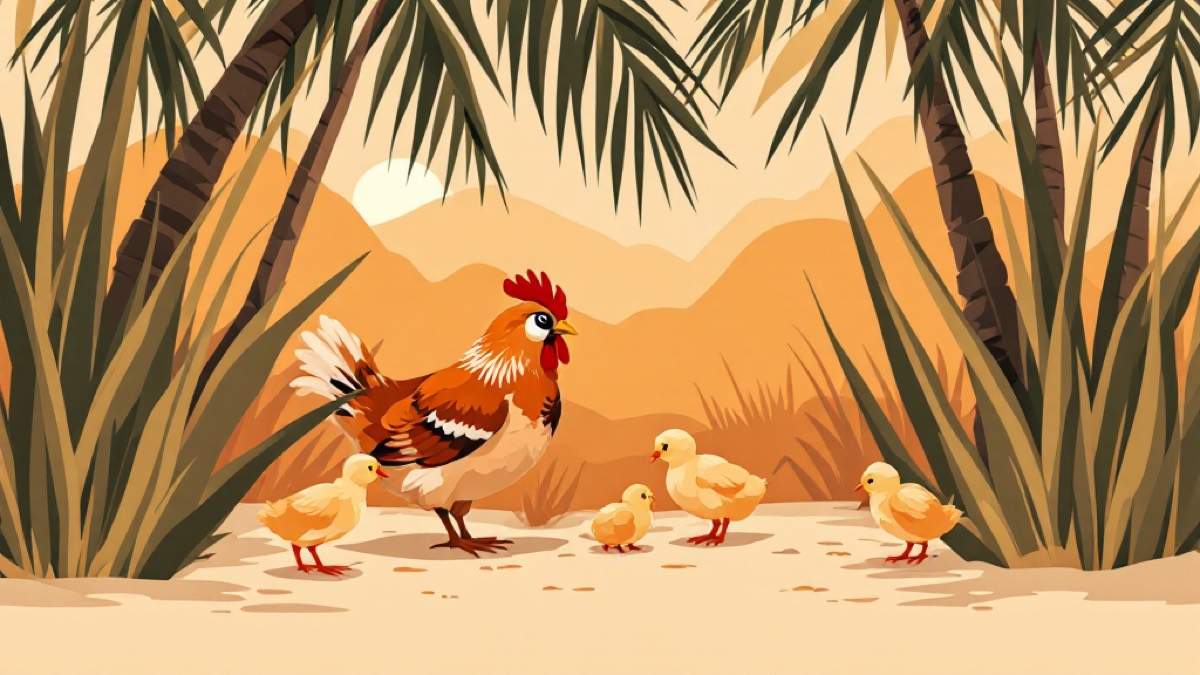
8 Documented Native Chicken Breeds in the Philippines
TL;DR: Eight Philippine native chicken breeds have real documentation behind them: Darag (Panay), Camarines (Bicol), Boholano (Bohol), ZamPen (Zamboanga Peninsula), Banaba (Batangas/Quezon), Bolinao (Pangasinan), Paraoakan (Palawan), and Joloano (Jolo, Sulu). Documentation depth varies sharply between them — this guide says so per breed rather than presenting them as equally verified.
Every list of Philippine native chicken breeds online repeats roughly the same names, but the sourcing behind each name varies a lot — from a government research database with production numbers down to a single blog post repeating a claim nobody else has verified. This guide only includes breeds with at least two independent sources agreeing on the basics, and it says explicitly where the evidence is thinner.
Which Native Breeds Have Full Government Documentation?
Four breeds — Boholano, Camarines, Darag, and ZamPen — are profiled with complete production data on DOST-PCAARRD’s Poultry ABS Information System, a database maintained with partner institutions including West Visayas State University, Bicol University, Western Mindanao State University, and the Bureau of Animal Industry’s National Swine and Poultry Research and Development Center.
| Breed | Region | Rooster plumage | Shanks / comb | Reported egg production |
|---|---|---|---|---|
| Darag | Panay Island, Western Visayas | Predominantly red | Gray shanks, single comb | ~110 eggs/hen/year |
| Camarines | Bicol region | Yellow-orange, barred pattern | Single comb | ~62 eggs/hen/year |
| Boholano | Bohol | Predominantly red | Mostly white shanks, single comb | ~62 eggs/hen/year |
| ZamPen | Zamboanga Peninsula | Red hackle, black body, upright stance | Pea comb | ~105 eggs/hen/year |
These are the only four native breeds in this guide with government-published egg production and fertility figures attached. See the full Darag guide for the deepest look at any single breed on this list.
Which Native Breeds Are Documented Outside That Database?
Four more breeds — Banaba, Bolinao, Paraoakan, and Joloano — are consistently named across independent sources (university coverage, agricultural journalism, and PCAARRD-linked research programs) even though they don’t have a full profile on the same production database.
Banaba
Native to Batangas and Quezon provinces in southern Luzon. Roosters show black breasts with red-orange hackle over a straight comb; hens run wheaten-brown with black tail feathers and slate-colored shanks. Research coverage credits Banaba with strong daily weight gain during brooding and low brooding-period mortality relative to other native genetic groups studied alongside it, and it’s one half of a DOST-PCAARRD-linked cross-breeding program aimed at improving native chicken egg output.
Bolinao
Native to Pangasinan province in the Ilocos Region. Roosters carry red plumage with a black breast and tail and bright orange hackles; hens are light brown with black tails. Both sexes typically show bright red earlobes and slate-gray shanks. Bolinao is the subject of a DOST-PCAARRD-funded program on sustainable production and marketing of improved Bolinao stock in the Ilocos Region, and is the other half of the Banaba cross-breeding effort mentioned above.
Paraoakan (also spelled Parawakan)
Native to Palawan, with the breed also present in parts of Mindanao. Multiple sources describe it as the largest Philippine native breed — long legs, a bigger body and head, and an elongated neck compared to other native lines. It’s raised more for cockfighting than as table stock, which several sources note explicitly.
Joloano
Associated with Jolo, Sulu. Described in the sources available as showing deep orange plumage with a predominantly black tail. This is the breed on this list with the thinnest documentation — the sources that mention it agree on the general look and the Sulu/Mindanao association but don’t agree closely on finer detail, and no government production database profiles it the way it does Darag or Camarines. Treat claims about Joloano with more caution than the other seven breeds here.
How Do These Breeds Differ in What They’re Raised For?
Not every breed on this list is raised for the same purpose, and that shapes what “good traits” even means for each one.
Darag, Camarines, Boholano, ZamPen, and the Banaba/Bolinao pairing are documented primarily around meat and egg production — the traits research programs selected for are growth, lay rate, and fertility. Paraoakan sits apart: multiple sources note it’s raised mainly for cockfighting rather than as table stock, which means its size and build were shaped by a different set of priorities than the egg-and-meat breeds on this list. That distinction matters if you’re choosing a breed for a backyard flock versus a specific gamefowl purpose — a large, long-legged Paraoakan isn’t a better dual-purpose bird just because it’s bigger.
Why Do Egg Production Numbers Vary So Much Between Breeds?
Partly genuine biological difference, and partly a difference in how carefully each breed has been studied — a breed with no full production profile isn’t necessarily a worse layer than one with a documented number, it may simply not have been measured with the same rigor.
The four PCAARRD-database breeds show real spread even among themselves — Darag’s roughly 110 eggs per hen per year is nearly double Camarines’ or Boholano’s roughly 62 — and that gap is attributed in the source data to genuine differences between the genetic groups, not measurement inconsistency, since all four were assessed under the same institutional program. For Banaba and Bolinao, the fact that a dedicated cross-breeding program exists specifically to raise their combined egg output is itself a signal that neither parent breed is considered a high performer on its own compared to Darag — though neither has the same head-to-head production dataset published as the four database breeds.
What About Other Names You’ll See Online?
Lists circulating online sometimes add more names — regional variants, older classifications, or breeds that show up in a single source without corroboration elsewhere. This guide leaves those out deliberately. A shorter list that’s actually checkable is more useful than a longer one padded with unverified names, especially for a topic where a wrong breed claim is the kind of error a knowledgeable reader catches immediately.
It’s also worth repeating what the native chicken raising guide says: most backyard birds called “native chicken,” including the ones people in the Visayas call manok na Bisaya, aren’t tied to any of the eight breeds above. They’re undocumented local mixed stock — which is not a problem for raising them, just a reason not to assume every backyard bird belongs to a named breed.
Individual Breed Guides
Each of these covers what is documented about the breed, what is not, and where to source it. They are deliberately explicit about the gaps, because the documentation is uneven across the list.
| Breed | Region | Guide |
|---|---|---|
| Darag | Panay Island | Darag native chicken |
| ZamPen | Zamboanga Peninsula | ZamPen native chicken |
| Camarines | Bicol | Camarines native chicken |
| Banaba | Batangas / Quezon | Banaba native chicken |
| Bolinao | Pangasinan | Bolinao native chicken |
| Paraoakan | Palawan | Paraoakan native chicken |
Darag, ZamPen and Camarines carry full production profiles on the national database; Banaba, Bolinao and Paraoakan do not, and their guides say so rather than filling the gap by inference.
For the commercial side, see native chicken as a business.
How Should You Use This List as a Buyer or Raiser?
If breed identity matters to you — for conservation, for consistent traits, or because you want to raise a specific named line — buy from the institutions tied to that breed’s documented development rather than an unverified listing, the same caution that applies to the Darag guide’s sourcing advice. If you just want hardy backyard birds, breed name matters much less than sound housing, feeding, and a basic biosecurity routine.
What Isn’t Settled Here?
Exact weight figures for Paraoakan, precise regional boundaries for several of these breeds, and any claim about growth rate or feed conversion by breed are not solidly enough sourced to state as fact in this guide, so they’re left out. Where a source disagreed with another on a detail — as happened with Joloano’s regional association — this guide says so rather than picking one version and presenting it as settled.
Raise one of these breeds, or think a name on this list is wrong? Tell us — a breed claim that’s off by even one detail is exactly the kind of thing we’d rather correct than leave standing.
Frequently Asked Questions
How many native chicken breeds does the Philippines have?
There is no single official count. This guide covers 8 breeds with real documentation behind them, but many more regional, undocumented local strains exist that simply haven't been formally studied or named.
Which native chicken breed has the most research behind it?
The Darag, from Panay Island, has the deepest documentation — a decades-long West Visayas State University breeding program backed by DOST-PCAARRD, with published production data.
What is the difference between a native chicken breed and just "native chicken"?
A named breed like Darag or Bolinao has documented regional origin and consistent traits from selective breeding. Most backyard birds called "native chicken" are undocumented local mixes without a specific breed name behind them.
Which native breeds are officially profiled by DOST-PCAARRD?
PCAARRD's Poultry ABS Information System currently profiles four breeds with full production data: Boholano, Camarines, Darag, and ZamPen.
Is Paraoakan really the largest native chicken breed?
Multiple independent sources describe Paraoakan, from Palawan, as the largest Philippine native breed, with longer legs and a larger body and head than other native lines — though exact weight figures vary between sources and aren't independently verified here.
What is the Joloano breed, and how well documented is it?
Joloano is associated with Jolo, Sulu, and described as having deep orange plumage with a mostly black tail. It has thinner documentation than breeds like Darag or Bolinao, and this guide flags that honestly rather than presenting it with false confidence.
Are Banaba and Bolinao being crossed into a new breed?
Yes — a DOST-PCAARRD-linked breeding program has worked on a Banaba x Bolinao cross aimed at improved egg production, reported in coverage as targeting substantially higher annual lay than either parent breed alone.
Can I buy any of these breeds as a beginner?
Some, through the institutions tied to their development — university farms and breeders' associations are the more reliable sources than an unverified online listing claiming a specific breed name.