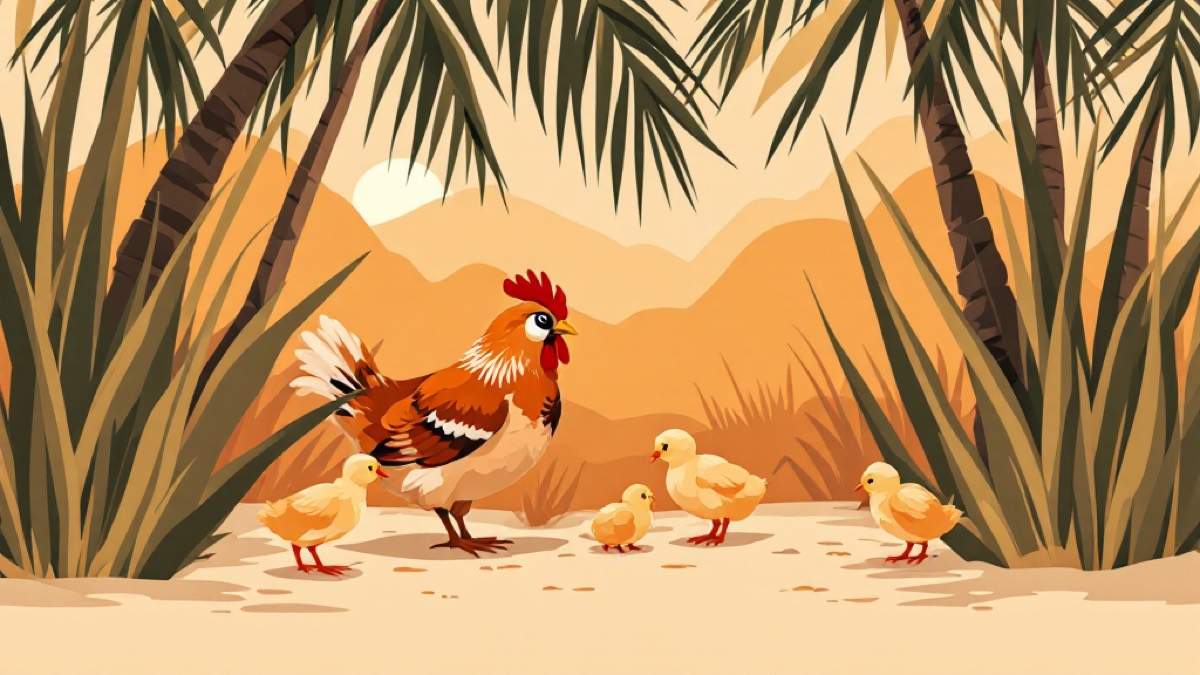
Bolinao Native Chicken: The Pangasinan Line
TL;DR: Bolinao is a Philippine native chicken from Pangasinan, documented as red plumage with a black breast and tail and a bright orange hackle — the most distinctive appearance among the named native lines. It is the subject of a DOST-PCAARRD-funded programme on sustainable production and marketing of improved Bolinao stock in the Ilocos Region, and one half of a cross-breeding effort with Banaba targeting better native egg output. No per-breed lay rate is published for it, so this guide states none.
Distinctive-looking, actively researched, and regionally concentrated — which is the practical constraint.
What Is Documented
| Bolinao | |
|---|---|
| Region | Pangasinan |
| Plumage | Red, with black breast and tail |
| Hackle | Bright orange |
| Research | DOST-PCAARRD-funded programme on sustainable production and marketing of improved stock in the Ilocos Region |
| Cross-breeding | One half of the Banaba × Bolinao effort targeting improved egg output |
Our native chicken breeds in the Philippines guide places it against the four lines that carry full production profiles on the national database — Darag, ZamPen, Camarines and Boholano.
Not published per-breed: lay rate, growth rate, feed conversion, mature weight. This guide does not estimate them.
Appearance Is Not Proof
The colouring is distinctive enough to be a useful identifying detail — and that is all it is.
Red plumage with a dark breast occurs in plenty of birds with no connection to the line, and buying on appearance is how people pay a premium for an ordinary bird. This is the same rule this site applies to gamefowl bloodlines and to Filipino colour terminology: appearance describes; documentation establishes.
Buy from a DA or LGU programme, or a breeder who can say where the stock came from.
Why the Marketing Research Is Interesting
The DOST-PCAARRD programme covers production and marketing together, and that pairing is worth noticing.
Native chicken has a real price premium in much of the Philippines — see native chicken prices — but the premium is local, and the constraint on a small producer is usually not raising the birds but finding a buyer who pays it consistently.
That is the same conclusion our native chicken as a business and selling eggs guides reach from the keeper’s side: find the buyer first, then scale the flock. Research programmes reaching the same conclusion is a reasonable signal that it is the real bottleneck.
The Banaba Cross
Bolinao and Banaba are the two halves of a cross-breeding programme aimed at improving native chicken egg output, reported as targeting substantially higher annual lay than either parent alone.
The keeper’s takeaway: native egg output is a recognised limitation, not something you are doing wrong. Native hens lay far fewer eggs than commercial layers and go broody often — see broody hen and broiler vs native vs layer.
If you are offered “Bolinao cross” stock, ask exactly what it is crossed with and how many generations back — the same question worth asking about upgraded native stock generally.
Keeping Bolinao
Standard native chicken keeping:
- Native chicken raising
- Free-range native chicken farming
- Native chicken feeding — foraging supplements a ration during growth and lay
- Free-range chicken house design and chicken predators
Sourcing
- DA and LGU programmes in the Ilocos Region — ask your municipal or provincial agriculture office.
- Breeders in Pangasinan and the surrounding region.
- Limited availability elsewhere, which is the honest constraint on choosing this line specifically if you are not in the region.
Quarantine incoming birds; see where to buy day-old chicks.
The Honest Limits Here
The regional association, the documented plumage description, the DOST-PCAARRD-funded Ilocos Region programme and the Banaba cross-breeding effort are consistent with what independent sources report, as set out in our native chicken breeds guide. This guide states no lay rate, growth rate, feed conversion, mature weight or price, because per-breed figures are not published for this line. Confirm availability and prices with your local agriculture office or a regional breeder.
Related: native chicken breeds in the Philippines, Banaba native chicken, native chicken prices, native chicken as a business.
Frequently Asked Questions
What is the Bolinao native chicken?
A Philippine native chicken associated with Pangasinan, named after the municipality of Bolinao. It is consistently named across independent sources and is the subject of DOST-PCAARRD-funded work in the Ilocos Region.
What does a Bolinao look like?
Documented as red plumage with a black breast and tail and a bright orange hackle — one of the more distinctive appearances among the named native lines.
What research exists on it?
A DOST-PCAARRD-funded programme on sustainable production and marketing of improved Bolinao stock in the Ilocos Region, and it is one half of a cross-breeding effort with Banaba aimed at improving native egg output.
How many eggs does a Bolinao lay?
A per-breed figure is not published on the national production database the way it is for Darag, Camarines, Boholano and ZamPen, so this guide does not state one.
Where can I buy Bolinao stock?
Through Department of Agriculture and local government programmes in the Ilocos Region and through breeders there. Availability elsewhere is limited.
Is Bolinao a gamefowl breed?
It is a native chicken breed rather than a gamefowl bloodline. Native breeds and gamefowl bloodlines are separate categories with separate purposes.
Does the colour prove a bird is Bolinao?
No. Plumage describes a bird; it does not establish ancestry. Buy from a documented source rather than judging by appearance.