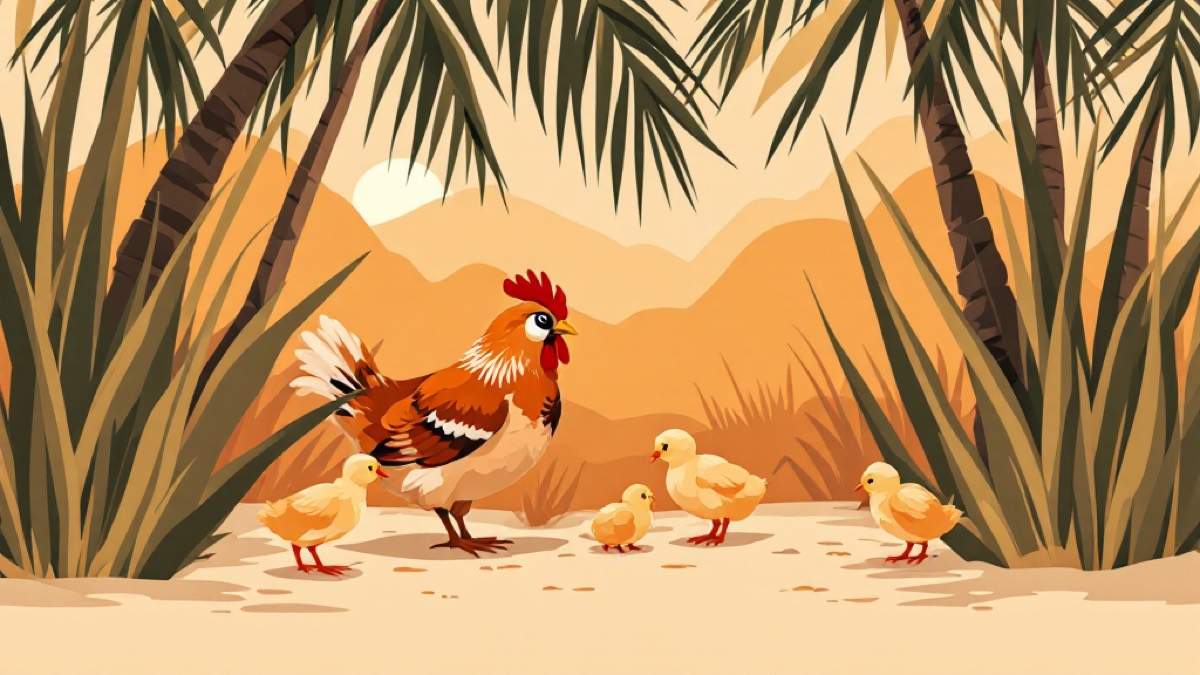
Camarines Native Chicken: The Bicol Line
TL;DR: Camarines is a Philippine native chicken from the Bicol region, documented as yellow-orange with a barred pattern and a single comb, and one of only four native lines carrying a full production profile on DOST-PCAARRD’s Poultry ABS Information System. Its recorded lay rate is around 62 eggs per hen per year — lower than Darag and ZamPen, and entirely normal for native stock, which is kept for reasons other than egg volume.
Well documented, which is unusual, and honest about being a lower-output bird, which is the point of native keeping rather than a failing.
What Is Documented
| Camarines | |
|---|---|
| Region | Bicol |
| Plumage | Yellow-orange, barred pattern |
| Comb | Single comb |
| Recorded lay rate | ~62 eggs per hen per year |
That figure comes from the national production database maintained under DOST-PCAARRD, which profiles four native breeds in full — Camarines, Darag, ZamPen and Boholano. Our native chicken breeds in the Philippines guide sets out the whole list.
Not published per-breed: growth rate, feed conversion, mature weight. Not stated here.
About That Lay Rate
Around 62 eggs a year sits at the lower end among documented native lines — Darag is recorded at around 110 and ZamPen around 105, while Boholano is also around 62.
Two honest points:
1. This is normal for native stock, not a defect. A commercial layer hybrid produces multiples of any of these figures. Nobody keeps native chickens for egg volume — they are kept for hardiness, tolerance of free-range conditions, low dependence on purchased feed, self-renewal through broodiness, and a meat premium the local market actually pays. See broiler vs native vs layer.
2. Broodiness is part of the arithmetic. Native hens go broody readily, and a hen who is sitting is not laying. That reduces annual output and gives you the flock’s ability to renew itself without an incubator — see broody hen and hatching under a broody hen. It is a trade, not a fault.
If egg volume is what you want, our best layer chicken breeds guide points elsewhere, and says so plainly.
On the Barred Pattern
Barring is a plumage pattern that turns up in unrelated birds — the Barred Plymouth Rock carries it, and there the barring gene has a documented sex-linked use in crosses.
A shared pattern does not indicate shared ancestry. As with every appearance-based claim on this site, plumage describes a bird rather than establishing where it came from — the same rule set out in pangalan at kulay ng manok panabong and how to identify gamefowl bloodlines.
Buy from a documented source rather than judging by looks.
Keeping Camarines
Standard native chicken keeping:
- Native chicken raising — the full system.
- Free-range native chicken farming — semi-scavenging, where native stock earns its keep.
- Native chicken feeding — foraging supplements a ration during growth and lay rather than replacing one.
- Free-range chicken house design — shelter, nests, a closable pop hole.
- Chicken predators — the main running cost of a range system.
Health management is the same as any flock: quarantine new birds, biosecurity, and a vaccination programme built with a veterinarian or agrivet — see bakuna sa manok.
Sourcing
- DA and LGU programmes in Bicol — ask your municipal or provincial agriculture office.
- Breeders in the region.
- Limited availability elsewhere.
Ask whether you are being offered pure native or upgraded native — the words are used loosely and the two are different products. See where to buy day-old chicks and native chicken prices.
The Honest Limits Here
The region, plumage description, comb type and recorded lay rate come from the DOST-PCAARRD-linked production database profiling this breed, consistent with our native chicken breeds guide. This guide states no growth rate, feed conversion, mature weight or price, because those are not published per native breed. Confirm availability and current prices with your local agriculture office or a regional breeder.
Related: native chicken breeds in the Philippines, Darag native chicken, ZamPen native chicken, native chicken raising.
Frequently Asked Questions
What is the Camarines native chicken?
A Philippine native chicken from the Bicol region, and one of four native breeds profiled with production data on DOST-PCAARRDs Poultry ABS Information System.
What does a Camarines look like?
Documented as yellow-orange with a barred pattern and a single comb.
How many eggs does a Camarines lay?
Around 62 eggs per hen per year according to the national production database — lower than Darag and ZamPen, and typical of native rather than commercial output.
Is a lower lay rate a problem?
It depends what you keep them for. Native stock is kept for hardiness, low purchased feed, self-renewal and a meat premium rather than for egg volume.
Where can I buy Camarines stock?
Through Department of Agriculture and local government programmes in the Bicol region and through breeders there. Availability elsewhere is limited.
How does it compare with Darag?
Darag has the deeper documentation and a higher recorded lay rate. Camarines is documented on the same database at a lower recorded figure, with different plumage and region.
Is barred plumage related to the Barred Plymouth Rock?
Barring is a plumage pattern that occurs in unrelated birds. A shared pattern does not indicate a shared ancestry.