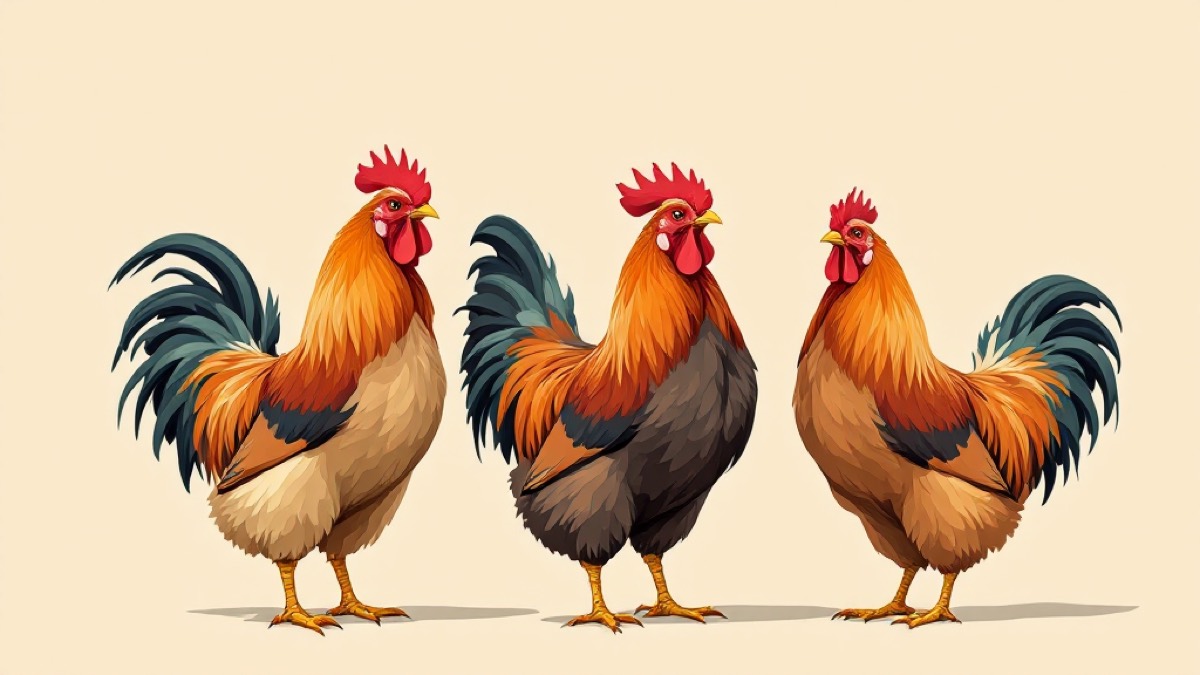
Gamefowl Bloodlines: Which Fits Your Sabong Style?
TL;DR: Kelso, Sweater, Hatch, Roundhead, Claret, and Grey are the gamefowl bloodlines most searched and sold in the Philippines. This guide does not rank them by fighting performance in any format — those claims can’t be verified by a buyer and vary more within a bloodline than between bloodlines. What you can actually check before buying: documented lineage, conformation (legs, comb, plumage, station), and price, which for these lines runs from about ₱2,000 for Grey stags to ₱30,000+ for premium Sweater stock. Kelso is generally the easiest bloodline for a beginner to start with, mainly because it’s so widely bred and documented.
If you’re into sabong, you’ve probably heard names like Kelso, Sweater, Hatch, and Roundhead. The question most people type in is “which one is the best” or “which one fights better” — and that’s the wrong question to bring to a family name, for reasons covered below. The right questions are about lineage, documentation, and what fits your budget and setup.
In this article, we’ll compare the most popular gamefowl bloodlines in the Philippines by what’s actually checkable: origin and lineage, physical traits, price, and how to verify a seller’s claims — not by any performance ranking.
What Are the Most Popular Gamefowl Bloodlines in Philippine Sabong?
Kelso and Sweater are the two names most breeders reach for first, Hatch and Roundhead are close behind, and Claret and Grey round out the field as less-oversaturated options. Here’s a quick side-by-side before the full breakdown:
| Bloodline | Legs | Comb | Price Range |
|---|---|---|---|
| Kelso | Yellow | Straight | ₱3,000–₱15,000 |
| Sweater | Yellow | Pea (typical) | ₱3,000–₱30,000+ |
| Hatch | Green | Straight | ₱3,000–₱25,000+ |
| Roundhead | Green | Straight or pea | ₱3,000–₱20,000+ |
| Claret | Variable | Straight | ₱2,500–₱15,000+ |
| Grey | Dark | Variable | ₱2,000–₱12,000+ |
Kelso — Widely Bred, Well Documented
The Kelso is one of the most established names in American gamefowl breeding, and it’s the bloodline most Filipino breeders point beginners toward. Not because of any performance claim, but because:
Traits breed true. Kelso offspring consistently resemble the parents, which makes the line easy to recognize and easy to check against a pedigree. Documentation is common. Because Kelso has been bred and recorded for decades, paperwork is easier to find than with rarer lines. Wide availability. Stock is sold across the country, so a first-time buyer has more sellers to compare and vet.
The Kelso has yellow legs, red feathers, medium station, and a straight comb. A stag with documented lineage runs ₱3,000-15,000.
What to verify: ask for the pedigree record and how many generations the breeder has kept it. The traits above are consistent enough that a bird missing them is worth asking about.
Sweater — Tall, High-Station Build
The Sweater is one of the most sought-after names in the market, largely on the strength of its build:
High station — a tall frame that’s the line’s most recognizable physical trait. Yellow legs, pea comb (typically), spangled or red feathers. Documented lines carry a premium — buyers pay more for Sweater stock precisely because the build is distinctive and easy to confirm at a glance.
Prices range from ₱3,000-30,000+ for stags and proven broodcocks.
What to verify: station and comb type against the seller’s description, plus lineage paperwork. The physical traits above are the only part of a “Sweater” claim a buyer can actually confirm by looking at the bird.
Hatch — Compact and Low-Station
The Hatch is one of the oldest recognized families in gamefowl breeding, associated with a long line of American breeders who kept their own strains:
Green legs, dark red feathers, a compact body, and low-medium station. A distinct build — the compact, low frame is the most reliable identifying trait, far more reliable than any claim about how a bird performs.
Prices range from ₱3,000-25,000+.
What to verify: body type and leg color against documented Hatch conformation, and ask the seller how many generations of records back up the claim.
Roundhead — Recognizable by Head Shape
The Roundhead takes its name from its most distinctive physical feature:
A rounded head shape — the trait the bloodline is named for and the easiest to confirm visually. Green legs, black-breasted red feathers, medium station.
Prices range from ₱3,000-20,000+ (higher for Lacy Roundhead, a documented sub-line).
What to verify: head shape and leg color, plus lineage records — see our Lacy Roundhead guide for how that particular sub-line gets misrepresented in the market.
Claret — Distinct Plumage, Growing Demand
The Claret is a “hidden gem” that’s steadily growing in popularity, mostly because it’s less common than the mainstream names:
Deep red/mahogany feathers — the most identifiable trait of the line. Variable leg color depending on the specific line and breeding history.
Prices range from ₱2,500-15,000+.
What to verify: plumage color against the standard, and lineage documentation from a breeder known specifically for Claret rather than one carrying it as a sideline.
Grey — Distinct Coloring, Broad Availability
Grey bloodlines are named for their coloring and are sold across a wide range of setups:
Grey/blue-grey feathers, dark legs, and variable station. Cross versatility — commonly used as a component in cross-breeding programs because the color and lineage are easy to track across generations.
Prices range from ₱2,000-12,000+.
What to verify: feather color and leg color against the line’s documented standard, and ask what the bird has been crossed with if you’re buying for a breeding program rather than pure stock.
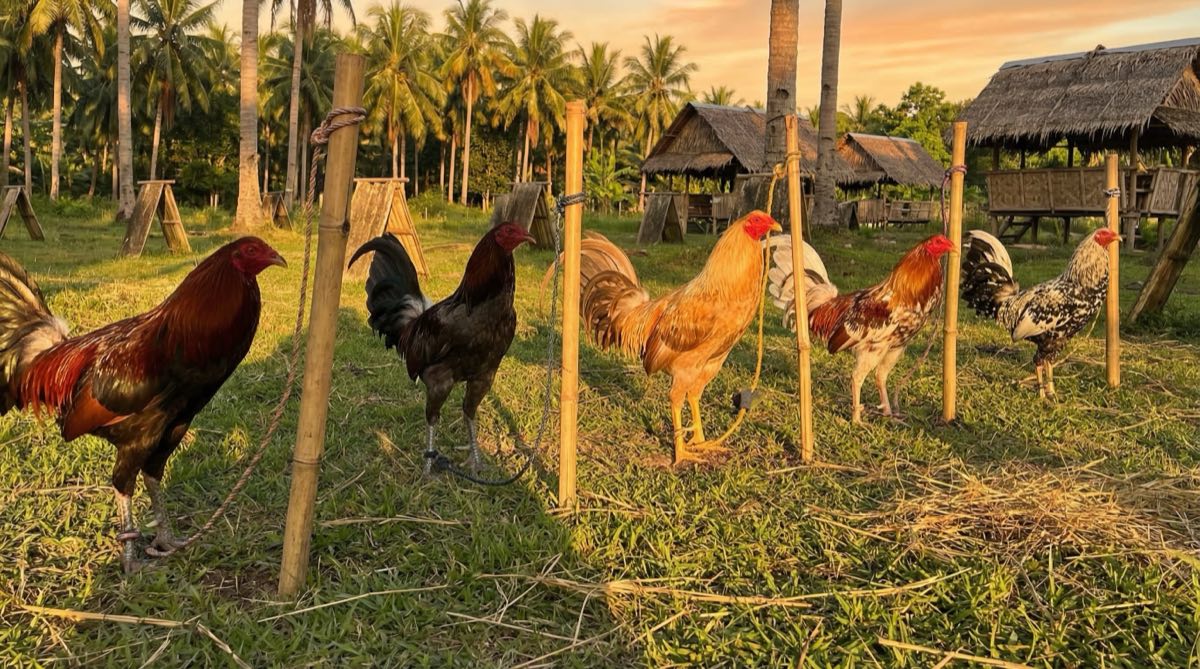
On “Fighting Style”
This is the question behind most searches on this topic, so it deserves a direct answer instead of a quiet dodge.
This site does not attach performance or style descriptions to bloodlines. Not for Kelso, Sweater, Hatch, Roundhead, Claret, Grey, or any of the others. The reasons:
- A buyer cannot verify them. There’s no test you can run on a bird in a pen that confirms a fighting-style claim made about a family name.
- Variation within a bloodline exceeds the differences between bloodlines. Two birds from the same nest can differ more than two birds from different families.
- The descriptions are commercially useful to sellers, which is a reason to be careful with them, not a reason to repeat them.
- Conditioning, feeding, health, and handling shape outcomes at least as much as ancestry does.
A breeder with years of their own records can tell you what their birds have done in their own yard. That’s worth listening to. A style attributed to a family name in general is folklore, and this guide won’t manufacture authority it doesn’t have.
Which One Should You Choose? It Depends on Your Situation
Choosing a bloodline isn’t about asking “which one wins.” It depends on your budget, how easily you can verify documentation, and what you’re setting up to keep.
If Documentation Matters Most to You:
Kelso and Sweater have the deepest paper trail in the Philippine market — decades of breeding history make lineage records easier to find and cross-check.
If You Want a Less Saturated Line:
Claret and Grey are less common, which means less competition among breeders working with them and an easier time differentiating your stock, though documented sellers can be harder to find.
If You’re a Beginner:
Start with Kelso or Sweater. Both are forgiving choices for a first-timer because of consistent, well-documented traits and wide availability in the market, not because of anything claimed about how they fight.
If Budget Is Your Main Constraint:
Grey and Claret generally sit at the lower end of the price range covered above, making them a more accessible entry point.
Is There a Single “Best” Gamefowl Bloodline?
Here’s the honest answer: there’s no verifiable ranking of bloodlines, because that would require testing individual birds against each other, not comparing family names. What actually varies between bloodlines is documented ancestry, physical conformation, availability, and price, and those are worth comparing directly, which is what the table above does.
The real variable in any bird’s life isn’t the bloodline label, it’s the quality of the individual gamefowl, how it’s fed, and how it’s kept. A well-documented bird from a careful breeder is a better bet than an undocumented bird from an unfamiliar seller, regardless of which name is on the label.
How Do You Start a Gamefowl Bloodline Collection?
If you’re a beginner looking to start your own collection:
Pick one bloodline first. Don’t buy one of everything. Focus on a single bloodline — study its documented lineage and conformation, master its feeding and general husbandry, and only expand once you’re confident.
Buy quality over quantity. One quality trio (1 cock + 2 hens) with real documentation is better than ten cheap gamefowl with none.
Invest in knowledge. Read, ask experienced breeders, and don’t be afraid of mistakes. Every breeder went through a learning phase.
Conclusion
Choosing a bloodline is a personal decision that depends on your budget, your setup, and what you can verify before you buy. There’s no right or wrong answer — what matters is that you know why you chose that bloodline and you’re committed to raising it properly.
To find breeders with specific bloodlines in your area, see our guide on finding and vetting gamefowl breeders in the Philippines — it covers how the market is organized and how to check a seller’s claims before you buy.
Want to learn more? Read our detailed guides for Kelso, Sweater, Hatch, and Roundhead.
Frequently Asked Questions
Which gamefowl bloodline is best for long knife (tari) fighting?
This guide doesn't rank bloodlines by fighting performance, tari included. A style or format claim attached to a family name isn't something a buyer can verify on a bird in a pen, and individual birds within any bloodline vary more than the difference between bloodlines. Kelso and Sweater are simply the two names most associated with tari in the market, mainly because documented stock in those lines is easiest to find.
Which bloodline works best for short knife fights?
Same answer as above: this site doesn't make performance claims for any format. Hatch and Roundhead come up most often in short-knife conversations because they're common and well documented in that segment of the market, not because a family name can promise a result in the pit.
What's the best gamefowl bloodline for beginners?
Kelso is a reasonable starter pick, but not for any performance edge. It's widely bred, the traits breed true from generation to generation, and documented stock is easy to source and verify, which matters far more to a first-time keeper than anything claimed about how the bird fights.
How much does a Kelso stag cost in the Philippines?
A Kelso stag with documented lineage typically runs ₱3,000–₱15,000, depending on documentation and source.
Is there one bloodline that's better than all the others?
No, and this guide won't claim otherwise. There's no verifiable ranking of bloodlines by fighting outcome, since that would require testing individual birds rather than comparing family names. What genuinely differs between bloodlines is documented ancestry, conformation, availability, and price, and those are worth comparing.
Which bloodline should I choose if I want raw power?
This site makes no power or hitting-strength claims for any bloodline, Hatch included. What's actually documented about Hatch is its lineage and its compact, low-station build. Claims about 'raw power' attached to a family name are marketing and folklore, not something a buyer can confirm before purchase.
How many gamefowl should a beginner start with?
Start with one bloodline and one quality trio (1 cock + 2 hens) rather than a mix of everything, and focus on mastering breeding, feeding, and general husbandry before expanding.