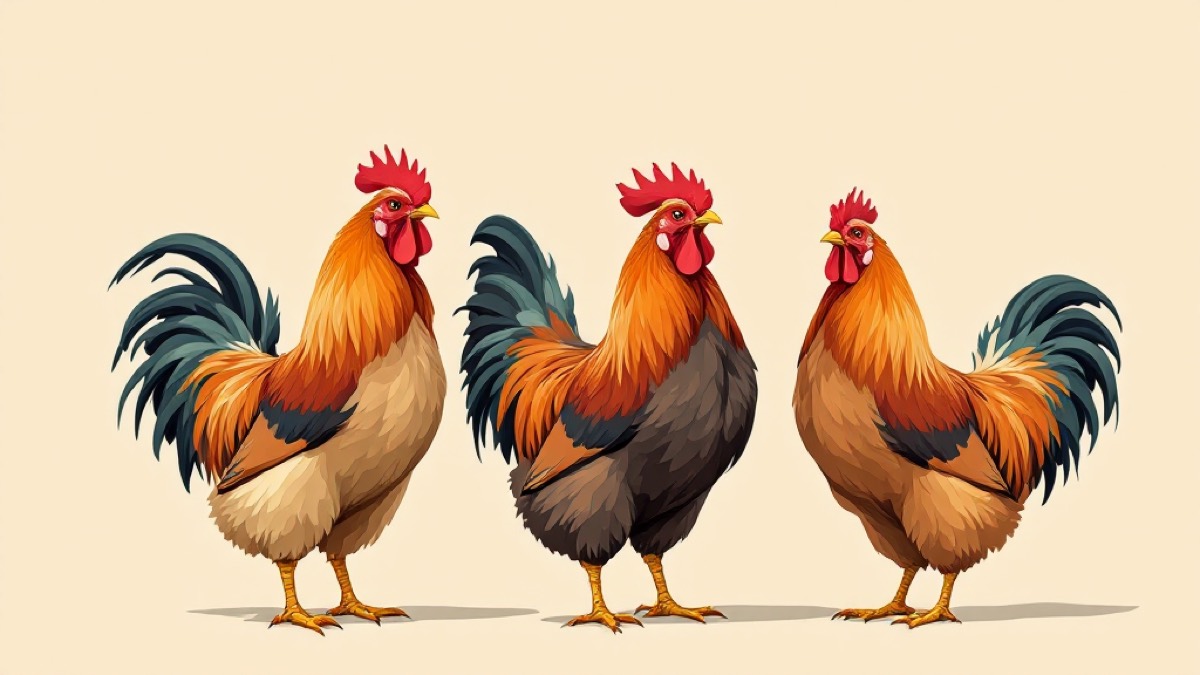
Roundhead Gamefowl: The Smart Fighter's Guide
TL;DR: The Roundhead is a gamefowl bloodline carrying the folklore nickname “the thinking man’s gamefowl,” documented for its distinctive rounded head shape, green legs, and medium station. The Lacy Roundhead variant has “Breakout” status on Google Trends and commands a 30-50% price premium over regular Roundhead. Regular Roundhead stags run ₱3,000–₱12,000 in the Philippines, while Lacy Roundhead stags run ₱5,000–₱20,000. This guide makes no fighting-style claims for the Roundhead or any bloodline; it’s a strong fit for breeders who want a well-documented, distinctively built bloodline — verified through pedigree records rather than a nickname or a reputation borrowed from bloodlines like the Hatch.
The Roundhead is one of the most popular gamefowl bloodlines in the Philippines — and its popularity keeps growing. In fact, Roundhead gamefowl has one of the highest search interest levels on Google Trends in the Philippines, and the Lacy Roundhead variant has achieved “Breakout” status — meaning interest has exploded in recent months.
If you’re interested in the Roundhead bloodline — whether for breeding, fighting, or study — here’s everything you need to know.
What Is the History of the Roundhead Bloodline?
Origins
The Roundhead bloodline has a long history in American gamefowl breeding. The name “Roundhead” comes from the distinctive rounded shape of the head — rounder and more compact than other bloodlines.
The development of the Roundhead involved several American breeders across different generations. It didn’t come from a single person like the Kelso (Walter Kelso) or Hatch (Sanford Hatch). Instead, the Roundhead evolved through multiple breeding programs that shared common foundation stock.
Notable Roundhead Lines
Over time, several Roundhead sub-varieties developed:
Allen Roundhead — One of the original and most well-documented Roundhead lines, with breeding records tracing back multiple generations.
Lemon Roundhead — Has distinctive lighter, lemon-tinted feathering, and is commonly used as a cross base in Philippine breeding records.
Lacy Roundhead — The most trending Roundhead variety in the Philippines right now. More details below.
Regular (Standard) Roundhead — The generic term for Roundhead gamefowl without a specific sub-variety designation.
Lacy Roundhead: Why Is It Trending Now?
The Lacy Roundhead has achieved “Breakout” status on Google Trends — meaning search interest has risen by more than 5,000% compared to the previous period. It’s one of the most trending gamefowl search terms in the Philippines today.
What Is the Lacy Roundhead?
The Lacy Roundhead is a specific Roundhead line developed and popularized by the Lacy family of American breeders. Its distinguishing features versus regular Roundhead are:
More refined body structure. The Lacy Roundhead is generally more well-proportioned with cleaner lines compared to other Roundhead varieties.
Consistent traits. The Lacy Roundhead is known for producing relatively uniform offspring — an important characteristic for breeding programs.
Documented breeding line. The Lacy Roundhead traces to the Lacy family’s named breeding program, and its growing presence in the Philippine market has contributed to the surge in interest.
Regular Roundhead vs Lacy Roundhead
The main differences are:
In appearance, the Lacy Roundhead generally has a more refined body and more consistent physical traits. The regular Roundhead has more variation in appearance.
In breeding documentation, the Lacy Roundhead traces to a specific, named breeding program (the Lacy family), while the regular Roundhead’s lineage is broader and less centrally documented. This guide doesn’t compare the two by fighting style — see “On Fighting Style” below for why.
In price, the Lacy Roundhead currently commands premium prices due to trending demand. Expect 30-50% higher pricing versus regular Roundhead.
In availability, documented Lacy Roundhead stock is more limited in the Philippines compared to regular Roundhead. That’s why many sellers claim to have “Lacy Roundhead” that isn’t necessarily genuine — buyer beware.
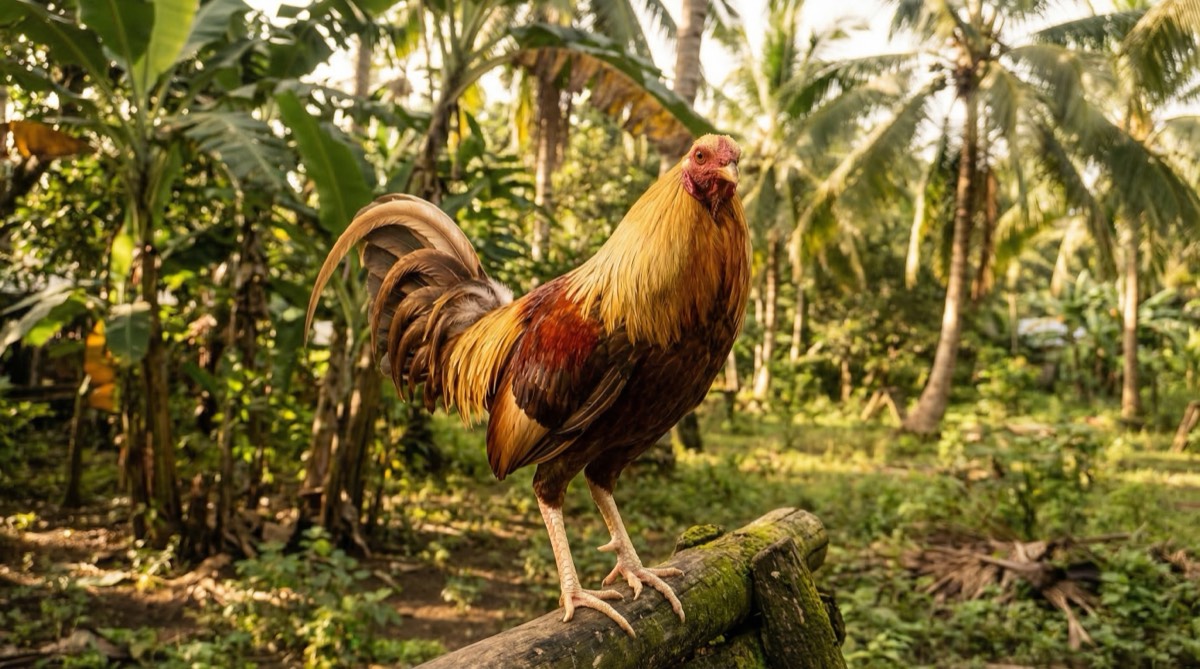
What Does a Roundhead Gamefowl Look Like?
Head Shape
The most distinctive feature: the rounded head that gives the bloodline its name. The skull is rounder and more compact compared to other bloodlines.
Feather Color
The Roundhead is typically black-breasted red — black or very dark breast area, with red to orange hackle and saddle feathers. Some lines have darker overall plumage, while others are lighter.
Leg Color
Green legs (willow) are common in the Roundhead, similar to the Hatch. Some lines have lighter colored legs, but green is the default.
Comb Type
It’s a mix — some lines have a pea comb and others have a straight comb. The pea comb is more common in certain Roundhead varieties.
Body Type and Station
Medium station is typical for the Roundhead — not too tall, not too short. Height and body proportions are balanced, proportioned for a medium build rather than the tall frame of a high-station bloodline like the Sweater.
On “Fighting Style”
The Roundhead’s nickname, “the thinking man’s gamefowl,” is the reason most people land on this guide, so it deserves a direct answer rather than a silent drop.
This site does not attach performance or style descriptions to bloodlines. Not for the Roundhead and not for any of the others. The reasons:
- A buyer cannot verify them. There is no test you can run on a bird in a pen that confirms a style claim made about a family, including a nickname as established as the Roundhead’s.
- Variation within a family exceeds the differences between families. Individual Roundhead birds from the same nest differ. A description that fits a family is loose enough to fit almost anything.
- The descriptions are commercially useful to sellers, which is a reason to be careful with them rather than a reason to trust them.
- Conditioning, feeding, health, and handling shape outcomes at least as much as ancestry does — see 21-day gamefowl conditioning and gamefowl feeding guide.
A breeder with years of their own records can tell you what their birds have done. That is a statement about their yard, and it is worth listening to. A style attributed to a bloodline name in general is folklore, and repeating it here would be inventing authority this site does not have.
What Are the Strengths and Weaknesses of the Roundhead as a Breeding Bloodline?
As with every bloodline on this site, these strengths and weaknesses are about breeding and buying, not combat performance — see “On Fighting Style” above for why this guide won’t score bloodlines that way.
Strengths
Distinctive, checkable head shape. The Roundhead’s rounded skull is one of the more visually distinctive traits in gamefowl breeding, which makes it easier to screen against a physical standard than a bloodline defined mainly by color.
Multiple documented sub-lines. Allen Roundhead, Lemon Roundhead, and Lacy Roundhead are each maintained as separate lines with their own breeding records, giving buyers more sub-line-specific documentation to ask for.
Cross compatibility. The Roundhead has recorded crosses with Hatch, Sweater, Kelso, and Grey, giving breeders substantial reference material across differing physical types.
Consistency in breeding. Well-bred Roundheads reproduce the family’s rounded head shape and green legs relatively predictably, which helps a breeding program stay on-type.
Weaknesses
Trending demand invites false claims. The Lacy Roundhead’s recent surge in search interest has made it one of the more commonly misapplied labels in the market right now — popularity is a reason to ask harder for documentation, not to trust a claim at face value.
Broader lineage for regular Roundhead. Because “Roundhead” without a named sub-line covers a wider, less centrally documented ancestry, it takes more work to verify than a bloodline traced to one named breeding program.
Conditioning and handling still decide more than the name. Health, feed, and handling shape what an individual bird turns out like far more than which Roundhead sub-line is on its papers.
Who the Roundhead is and isn’t for: if you want a visually distinctive bloodline with several separately documented sub-lines to compare, the Roundhead is a solid choice. If you’re chasing the Lacy Roundhead specifically because of its trending status, be more careful, not less — trending names are exactly what gets misapplied.
What Are the Best Roundhead Crosses?
Roundhead × Kelso
Two bloodlines with deep individual breeding records combined. See the Kelso guide for more on the other half of this cross. What a specific pairing produces depends on the individual birds bred, not on either bloodline’s reputation.
Roundhead × Hatch
This cross combines the Hatch’s compact, low-station build with the Roundhead’s rounded head shape and medium station. Breeders keep records on it specifically because the parent bloodlines differ in build.
Roundhead × Sweater
This cross combines Sweater height and pea comb with Roundhead head shape and medium build. Documented interest in this pairing has grown in recent Philippine breeding circles.
Roundhead × Grey
The Roundhead × Grey cross is documented for its grey-influenced plumage. The Grey contributes distinct coloring, complementing the Roundhead’s rounded head shape.
For more cross combinations across bloodlines, see the top gamefowl crosses guide.
How Much Does a Roundhead Gamefowl Cost in the Philippines?
A regular Roundhead stag runs ₱3,000–₱12,000, while a Lacy Roundhead stag — thanks to its trending demand — runs ₱5,000–₱20,000, a 30-50% premium over regular stock. Broodcocks range from ₱10,000–₱40,000+ for regular Roundhead and ₱20,000–₱60,000+ for documented Lacy Roundhead.
| Type | Regular Roundhead | Lacy Roundhead |
|---|---|---|
| Day-old chicks | ₱500 – ₱2,000 | ₱800 – ₱3,500 |
| Stags | ₱3,000 – ₱12,000 | ₱5,000 – ₱20,000 |
| Battle cocks | ₱5,000 – ₱20,000+ | ₱8,000 – ₱30,000+ |
| Broodcocks | ₱10,000 – ₱40,000+ | ₱20,000 – ₱60,000+ |
The Lacy Roundhead premium is driven by trending demand. Be careful of overpriced stock that capitalizes on the hype without proper documentation. Prices are general market estimates and vary by region and breeder.
Warning: Watch Out for Fake Lacy Roundhead Claims
Because of the breakout popularity of the Lacy Roundhead, many sellers have suddenly started claiming to have “Lacy Roundhead” stock. Here are the red flags:
No pedigree documentation. If the lineage can’t be traced back to a documented Lacy Roundhead breeding program, be cautious.
Suspiciously low price. If a “Lacy Roundhead” is being sold at regular Roundhead prices, ask why.
Inconsistent physical traits. If the gamefowl doesn’t match known Lacy Roundhead characteristics, it’s likely not genuine.
Seller with no breeding track record. If the seller suddenly acquired “Lacy Roundhead” stock right when it started trending, that’s a red flag.
Where Do You Find Roundhead Gamefowl?
Looking to add Roundhead bloodline to your breeding program? See our guide on finding and vetting Roundhead breeders for how to source stock and check a seller’s claims before you buy.
Conclusion
The Roundhead — whether regular or Lacy — is one of the most recognizable bloodlines in Philippine gamefowl breeding. Its distinctive head shape, multiple documented sub-lines, and cross compatibility make it a valuable addition to any breeding program.
New to buying gamefowl online? Check our buying guide first to avoid common scams.
Compare the Roundhead to other bloodlines: Kelso Guide | Sweater Guide | Hatch Guide
Frequently Asked Questions
Why is the Roundhead called "the thinking man's gamefowl"?
It's a nickname from breeder folklore, not a verified trait. This guide doesn't confirm or repeat fighting-style claims for the Roundhead or any bloodline, because there's no way to test a style claim against a bird in a pen — see "On Fighting Style" below.
What is the difference between Lacy Roundhead and regular Roundhead?
The Lacy Roundhead has a more refined, consistent body structure, and it currently commands a 30-50% price premium due to trending demand versus regular Roundhead. This guide doesn't compare the two by fighting style.
What leg color does a Roundhead gamefowl have?
Green (willow) legs are common, similar to the Hatch, though some lines have lighter-colored legs.
How much does a Lacy Roundhead cost in the Philippines?
A Lacy Roundhead stag typically costs ₱5,000–₱20,000, and a proven broodcock can reach ₱20,000–₱60,000+, reflecting its current breakout demand.
What is the Roundhead's biggest weakness?
This guide doesn't rate bloodlines on fighting weaknesses. What can be documented about the Roundhead is its medium station and green legs — physical facts, not combat predictions. How an individual bird behaves depends on conditioning and handling more than on its bloodline.
How do you spot a fake Lacy Roundhead?
Watch for missing pedigree documentation, suspiciously low prices, inconsistent physical traits, and sellers who suddenly acquired "Lacy Roundhead" stock right when it started trending.
What bloodlines cross well with Roundhead?
Kelso, Hatch, Sweater, and Grey are the most commonly documented Roundhead crosses, chosen for complementary physical traits like build, height, or leg color. Results depend on the specific birds paired, not the pairing's reputation.