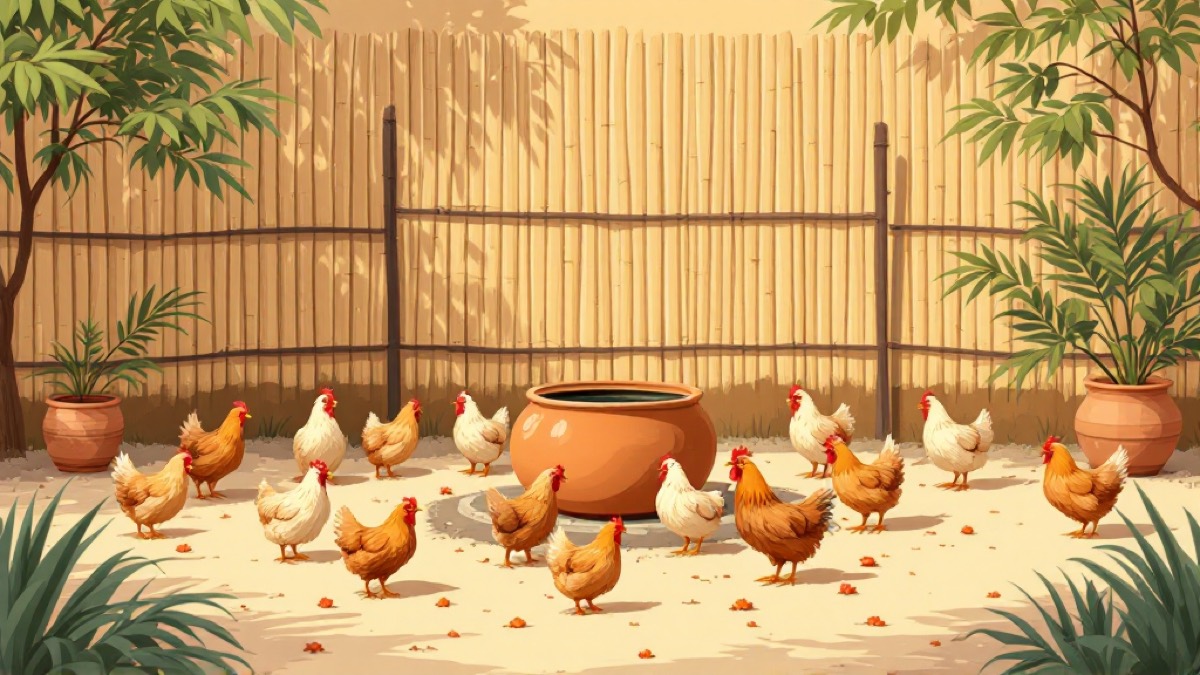
How to Raise Gamefowl: A Complete Guide for Beginners
TL;DR: Raising gamefowl starts with a tie-cord setup (2-3 sqm per bird), a starter budget of ₱1,000-3,000 for equipment, and a twice-daily feeding and inspection routine. Adult gamefowl eat 80-120 grams of maintenance/grower feed (15-18% protein) per feeding. Newcastle Disease vaccination and separating stags by 4-5 months are the two most important beginner steps to avoid losing birds. Start with 2-3 gamefowl and learn the basics before expanding.
Want to raise gamefowl but don’t know where to start? You’re not alone. Many aspiring breeders and sabong enthusiasts are excited to begin but get overwhelmed by everything they need to learn.
Don’t worry — in this article, we’ll help you get started on the right track. We’ll teach you the basics of raising gamefowl — from housing to health care — in a simple way that’s easy to follow even if you have zero experience.
What Do You Need Before Raising Gamefowl?
Space Requirements
You don’t need a lot of land to get started. A small backyard space with 2-3 square meters per gamefowl is enough for a small-scale setup. What matters is having ventilation, shade, and protection from rain and predators.
Basic Equipment
Here’s the essential gear you’ll need before bringing home your first gamefowl:
Tie cord or leash system. This is the most basic housing setup in Philippine gamefowl keeping. The gamefowl is tethered to a stake or post with enough cord length to move around but not tangle with others.
Feeders and waterers. Nothing fancy needed — plastic containers or homemade feeders work fine. What matters is that they’re clean and have enough capacity.
Shade or shelter. A simple awning, wooden frame with tarp, or a small hut will do. Gamefowl aren’t tolerant of prolonged direct sun or heavy rain.
Gamefowl feed. Buy appropriate feed before bringing home the bird so you’re ready to go immediately.
Budget Estimate for a Starter Setup
A basic setup can start at around ₱1,000-3,000 worth of equipment plus the cost of the gamefowl itself. The equipment doesn’t need to be expensive — consistency and quality of care matter more.
What Housing Do Gamefowl Need?
Tie Cord System (Most Common in the Philippines)
The tie cord system is the most common housing method for gamefowl in the Philippines. The setup is simple:
Hammer a stake or metal post into the ground. Attach the gamefowl to the stake using a cord or rope with enough length (usually 4-6 feet) so the bird can move around. Each gamefowl gets its own stake — they don’t share.
Spacing between stakes should be enough so that gamefowl can’t reach each other — stags and cocks are aggressive and will fight if they reach each other’s territory.
Tee-Pee or A-Frame Shelter
A simple tee-pee style shelter — two pieces of wood leaning against each other with tarp or cogon grass covering — provides shade and rain protection. It’s one of the most affordable shelter options.
Elevated Housing (For Rainy Areas)
If you’re in an area prone to flooding or high moisture, consider elevated housing — a simple wooden platform raised 1-2 feet off the ground. This protects gamefowl from wet ground and parasites.
What Is a Daily Gamefowl Care Routine?
Raising gamefowl requires a daily routine that you need to follow consistently:
Morning Routine (5:00-7:00 AM)
1. Check all gamefowl. First thing, walk around and inspect each bird. Are there signs of illness? Did a cord break? Did one escape? Daily visual inspection is the most basic but most important health monitoring.
2. Fresh water. Replace the water in all waterers. Stagnant overnight water is a breeding ground for bacteria.
3. Morning feeding. Serve a measured amount of feed. Don’t overfeed — obesity is a problem in gamefowl.
4. Quick clean-up. Remove droppings near the feeder and waterer area.
Afternoon Routine (4:00-6:00 PM)
1. Second feeding. This is the second feeding of the day.
2. Water check. Make sure there’s still water. On hot days, water runs out fast.
3. Observation. Spend 15-30 minutes observing your gamefowl — this is your time to notice any changes in behavior, appetite, or physical condition.
Evening Check (Optional but Recommended)
If you can, check again before bed — make sure everything is secure and there are no predator threats.
What Should You Feed Gamefowl?
For a full stage-by-stage breakdown (chick starter through conditioning), see the complete gamefowl feeding guide.
What to Feed
Gamefowl need commercial poultry feed as their base diet. Rice, bread, or kitchen scraps alone aren’t enough.
For adult gamefowl (6 months+), use maintenance or grower feed with 15-18% crude protein. Popular brands in the Philippines like B-Meg and Vitarich have gamefowl-specific formulations.
How Much to Feed
A typical adult gamefowl eats 80-120 grams of feed per feeding, twice daily. Adjust based on body condition — if the bird is getting thin, add a little more; if it’s getting fat, cut back.
Supplementary Feeds
Besides commercial feed, you can supplement with:
Boiled eggs — excellent protein source, 1-2 times per week. Chopped greens — kangkong, malunggay leaves, kamote tops — for vitamins and fiber. Cracked corn — as scratch grain for additional energy. Fruits — occasional treats like papaya or banana.
What NOT to Feed
Processed foods — junk food, chocolates, and heavily seasoned foods are toxic. Raw beans — contain toxins harmful to poultry. Avocado — contains persin, which is toxic to birds. Moldy feeds — cause aspergillosis and other fungal infections.
How Do You Keep Gamefowl Healthy?
Common Signs of Illness
As a beginner, you need to learn the basic signs that a chicken is sick:
Reduced appetite — if it suddenly stops eating, there’s a problem. Watery or discolored droppings — normal droppings have a solid and a liquid portion. If it’s all liquid or has an unusual color (green, bloody), that’s a sign of illness. Nasal discharge or sneezing — respiratory infection. Swollen eyes or face — possible coryza or respiratory disease. Lethargy — if it’s not active and just sitting around, it’s sick. Ruffled feathers — when feathers are puffed up and not neat, that’s an indicator of illness.
Vaccination
As discussed in our vaccination guide, proper vaccination is essential. At a minimum, all gamefowl need the Newcastle Disease vaccine.
Deworming
Deworm every 2-3 months using appropriate deworming medication. Parasites are a common problem in the Philippine climate — don’t skip regular deworming.
First Aid Kit
Maintain basic first aid supplies: wound spray or antiseptic (Betadine), antibiotics (Amoxicillin or similar, consult a vet), vitamins (B-complex, electrolytes), and deworming medicine.
Handling and Socialization
How to Handle Gamefowl
Proper handling is important — for both your safety and the gamefowl’s:
Approach slowly. Don’t rush at the bird. Approach calmly and slowly so it doesn’t panic.
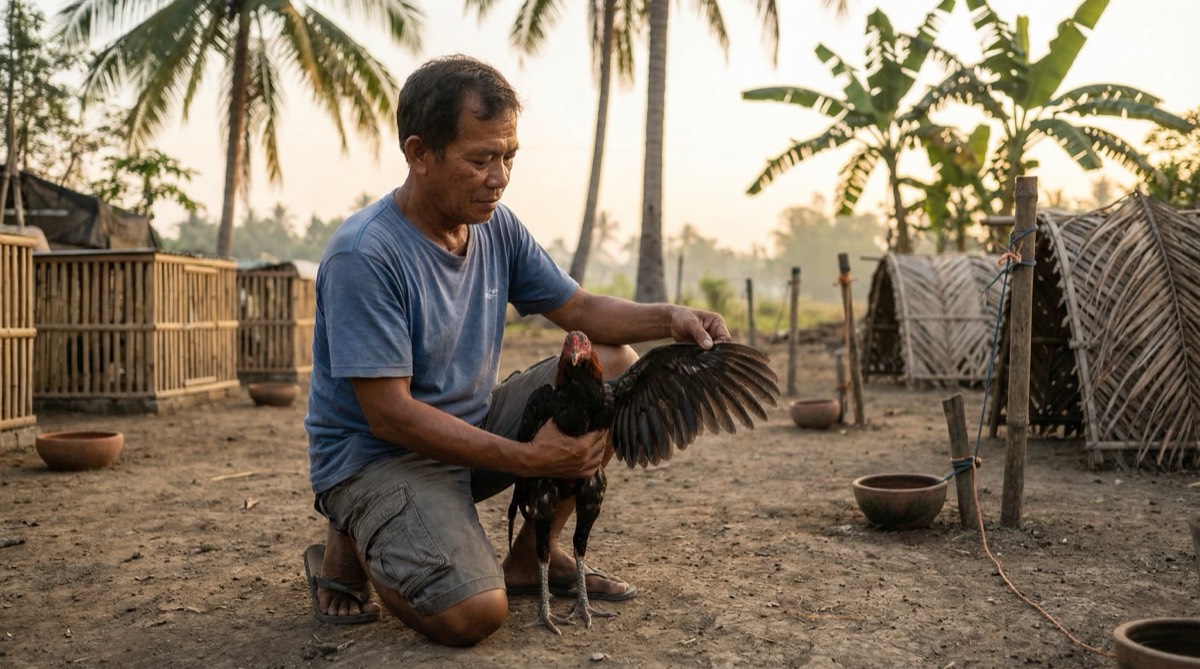
Hold properly. Hold the gamefowl by the body — one hand on the chest/breast area and the other on the back, securing the wings. Don’t hold by the legs or wings alone.
Handle regularly. Handle your gamefowl regularly — even just 5 minutes per day — so they get used to human touch. Birds accustomed to handling are easier to condition and manage.
Separation of Stags
By 4-5 months of age, stags will start fighting. Separate them immediately — uncontrolled fighting causes serious injuries and potential death. Each stag needs its own tie cord or housing.
Record Keeping
Even as a beginner, start a simple record-keeping system:
Identification. Mark each gamefowl — using leg bands, color-coded cords, or a simple numbering system.
Health records. Record vaccination dates, deworming dates, and any illnesses or treatments.
Feeding notes. Track the type of feed and amount to monitor consumption patterns.
Breeding records (if breeding). Record parents, hatch dates, and offspring observations.
Record keeping isn’t glamorous, but it’s the difference between successful breeding and a constant guessing game.
Common Beginner Mistakes
Not vaccinating. “Is it really necessary?” — YES. Newcastle Disease alone can wipe out your entire flock in 3 days.
Overfeeding or underfeeding. Both are problems. Measure your feeds and observe body condition.
No shade or shelter in summer. Heat stroke kills gamefowl quickly — make sure there’s always adequate shade.
Buying too many birds right away. Start small — 2-3 gamefowl first. Learn the basics before expanding.
Not separating stags on time. This mistake leads to injuries and death. Separate by 4-5 months.
Find Gamefowl and Breeders
Ready to start? See our guide on finding and vetting gamefowl breeders in the Philippines for how the market is organized and how to check a seller’s claims before you buy.
Conclusion
Raising gamefowl isn’t rocket science — but it requires commitment, consistency, and a willingness to learn. The basics we’ve covered here — proper housing, consistent feeding, health management, and regular handling — are the foundation of successful gamefowl keeping.
Start small, learn the basics, and gradually expand your knowledge and flock size. Patience is the most important trait of a successful breeder.
If you’re ready to start and looking for quality gamefowl, see our buying guide to find trusted sellers in your area.
Have more questions? Read our other guides at ManokHub Guides.
Frequently Asked Questions
How much space does a gamefowl need?
A small backyard setup needs about 2-3 square meters per gamefowl, with the tie-cord system being the most common housing method in the Philippines.
How much does it cost to start raising gamefowl?
A basic starter setup — feeders, waterers, shelter, and a tie cord — costs around ₱1,000-3,000, on top of the cost of the gamefowl itself.
How often should you feed gamefowl?
Adult gamefowl should be fed twice daily, roughly 80-120 grams per feeding, adjusted based on body condition.
At what age should you separate stags?
Separate stags by 4-5 months of age, once they start fighting each other. Uncontrolled fighting at this stage causes serious injuries and potential death.
What vaccine does every gamefowl need at minimum?
At a minimum, all gamefowl need the Newcastle Disease vaccine — see the [full vaccination guide](/blog/gamefowl-vaccination-program-philippines) for the complete schedule.
How often should gamefowl be dewormed?
Deworm every 2-3 months using an appropriate deworming medication, since internal parasites are a common problem in the Philippine climate.
What is the biggest mistake beginners make raising gamefowl?
Not vaccinating is one of the most common and costly mistakes — Newcastle Disease alone can wipe out an entire flock quickly. Buying too many birds right away and not separating stags on time are also common beginner errors.