Kelso Gamefowl Guide: History, Fighting Style & Crosses
TL;DR: The Kelso is a US-origin gamefowl bloodline founded by Walter Kelso in the 1940s-1960s, documented for red plumage, yellow legs, and a medium station weighing 2.0-2.5 kg. In the Philippines, stags typically run ₱3,000-₱15,000 and proven broodcocks ₱10,000-₱50,000+. This guide makes no fighting-style or performance claims for the Kelso or any bloodline, because those claims can’t be verified by a buyer and individual birds vary more than a family name suggests. It suits breeders who want a well-documented foundation bloodline or cross parent, verified through pedigree records rather than reputation — not someone chasing an unverifiable style label attached to Hatch or any other bloodline.
If there’s one bloodline that almost every Filipino gamefowl breeder knows, it’s the Kelso. It carries the nickname “the thinking man’s gamefowl” in breeder folklore, and it’s one of the most popular and well-documented bloodlines in the world. What actually holds up under scrutiny is its consistency as a breeding line, not the nickname — see below for why this guide treats the two differently.
This guide covers the Kelso’s history, physical traits, why we don’t attach a fighting style to it, best crosses, and realistic Philippine prices as of 2026 — plus what to look for when buying so you don’t end up with an unproven bird.
Where Did the Kelso Bloodline Come From?
The Kelso bloodline is named after Walter Kelso, a US breeder active from the 1940s through the 1960s who built the line through calculated, deliberately recorded pairings rather than random crosses. It reached the Philippines in the 1960s-1970s and became one of the cornerstone bloodlines of Philippine sabong.
The Origins: Walter Kelso
Walter Kelso wasn’t just a breeder — he was a dedicated poultry man who spent decades refining his bloodline. Its foundation came from American gamefowl strains selected for specific physical and behavioral traits, documented over generations. Kelso kept detailed records of every pairing rather than breeding at random, which is part of why the Kelso remains one of the better-documented bloodlines today.
How the Kelso Reached the Philippines
The Kelso bloodline started arriving in the Philippines alongside the growing international gamefowl trade, and Filipino breeders — known for their passion for sabong — immediately appreciated its qualities.
Over the following decades, the Kelso became one of the cornerstone bloodlines of Philippine sabong. Many top game farms in the country have Kelso foundation in their breeding programs, and to this day, it remains one of the most in-demand bloodlines.
What Does a Kelso Gamefowl Look Like?
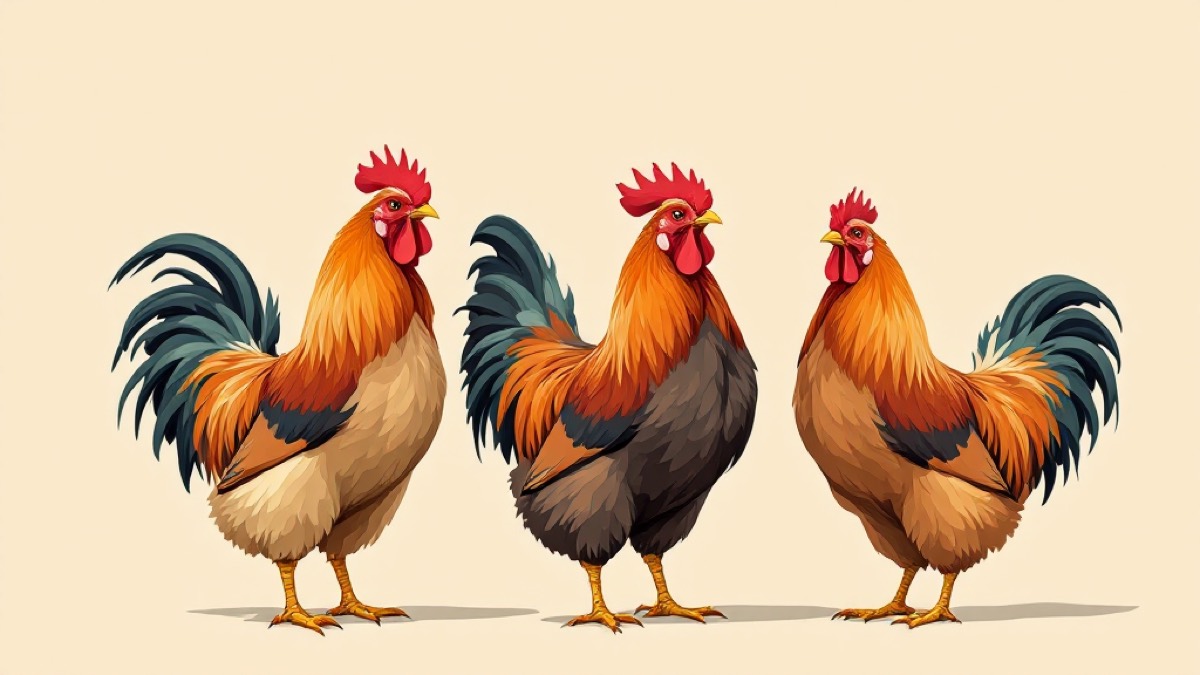
A purebred Kelso typically has red plumage, yellow legs, a straight comb, and a medium station weighing 2.0-2.5 kg. Here’s the full breakdown:
Feather Color
The classic Kelso is red — specifically, medium to dark red hackle and saddle feathers, with darker tail feathers. Some Kelso lines have slight variation in the shade of red, but the dominant color is consistently red.
Leg Color
Yellow legs are the hallmark of the Kelso. This is one of the most consistent traits across different Kelso lines. If a gamefowl claimed to be Kelso has green or dark legs, its purity should be questioned.
Comb Type
Most Kelso have a straight comb (single comb). Some lines have a pea comb, but the classic Kelso has a straight comb.
Body Type and Station
The Kelso is a medium station bird — not too tall, not too short. The body is well-proportioned and muscular, but not as heavy-boned as a Hatch. The ideal Kelso has a good balance of height, weight, and build.
Weight
The typical Kelso battle cock in Philippine sabong weighs in the 2.0 kg to 2.5 kg range, depending on conditioning and the specific line.
On “Fighting Style”
The Kelso’s nickname, “the thinking man’s gamefowl,” is the reason most people land on this guide, so it deserves a direct answer rather than a silent drop.
This site does not attach performance or style descriptions to bloodlines. Not for the Kelso and not for any of the others. The reasons:
- A buyer cannot verify them. There is no test you can run on a bird in a pen that confirms a style claim made about a family, including one as established as “the thinking man’s gamefowl.”
- Variation within a family exceeds the differences between families. Individual Kelso birds from the same nest differ. A description that fits a family is loose enough to fit almost anything.
- The descriptions are commercially useful to sellers, which is a reason to be careful with them rather than a reason to trust them.
- Conditioning, feeding, health, and handling shape outcomes at least as much as ancestry does — see 21-day gamefowl conditioning and gamefowl feeding guide.
A breeder with years of their own records can tell you what their birds have done. That is a statement about their yard, and it is worth listening to. A style attributed to a bloodline name in general is folklore, and repeating it here would be inventing authority this site does not have.
What Are the Strengths and Weaknesses of the Kelso as a Breeding Bloodline?
These strengths and weaknesses are about breeding and buying, not fighting — this guide doesn’t score bloodlines on combat performance (see “On Fighting Style” above for why).
Strengths
Well-documented lineage. Because Walter Kelso kept detailed pairing records and the bloodline has been bred deliberately in the Philippines for decades, there’s more historical documentation to check a seller’s claims against than with many newer or less-tracked bloodlines.
Consistency in breeding. Kelso offspring tend to reproduce the family’s physical traits — red plumage, yellow legs, medium station — reliably, which makes a breeding program easier to plan and verify visually.
Cross compatibility. The Kelso is one of the more commonly documented base bloodlines for crossbreeding in Philippine gamefowl records. Almost every major bloodline has a recorded Kelso cross, which gives a breeder more reference material to work from.
Market recognition. Because the Kelso name is widely known, documented Kelso stock tends to hold its value, and buyers are more familiar with what its verifiable traits should look like.
Weaknesses
Its reputation outruns its documentation for some sellers. Because “Kelso” is a recognizable, in-demand name, it’s one of the more commonly misapplied labels in the market — the popularity itself is a reason to ask harder for pedigree proof, not a reason to trust the label on its own.
Conditioning and diet still matter more than the name. Health, feed, and handling shape what any individual bird actually turns out like far more than which bloodline is on its papers.
No performance guarantee at any price. Even a fully documented Kelso is an individual bird. Paying a premium for lineage buys you verified ancestry, not a promise about anything else.
Who the Kelso is and isn’t for: if you want a bloodline with deep, checkable breeding history and consistent, recognizable physical traits, the Kelso is a solid foundation choice. If you’re looking for a guarantee about how a bird will behave anywhere outside the yard, no bloodline — Kelso included — can honestly give you one.
What Are the Best Kelso Crosses in Philippine Sabong?
The Kelso appears in Sweater, Hatch, Roundhead, and Lemon crosses more often than most other pairings in Philippine breeding records, and these four combinations are the most commonly documented.
Kelso x Sweater
One of the most commonly recorded crosses in Philippine breeding programs. It pairs the Kelso’s medium station and yellow legs with the Sweater’s height and pea comb. What the offspring actually turn out like depends on the specific parent birds, not on the pairing’s reputation.
Kelso x Hatch
A long-documented cross between two of the oldest American bloodlines kept in the Philippines. The Hatch contributes its compact build and green legs, the Kelso its yellow legs and medium station. Breeders keep this cross for its traceable lineage on both sides, not for any guaranteed result.
Kelso x Roundhead
Two bloodlines with deep breeding records combined. The Kelso x Roundhead cross is documented across multiple generations by several Philippine farms, which makes a seller’s claim about it easier to verify than a cross with thinner records.
Kelso x Lemon (Out and Out)
The Kelso x Lemon cross is documented in long knife breeding circles for producing consistent physical traits. As with every cross on this list, what a specific pair of birds produces depends on those birds and their own records, not on the cross’s name.
For a broader rundown of how Kelso crosses compare to other documented pairings, see the top gamefowl crosses guide.
How Much Does a Kelso Gamefowl Cost in the Philippines?
A Kelso stag (6-12 months) typically runs ₱3,000-₱15,000 in the Philippine market, with proven broodcocks reaching ₱10,000-₱50,000+. Day-old chicks start much lower, while documented pedigree stock from top farms commands the upper end of every range.
| Type | Price Range (₱) |
|---|---|
| Day-old chicks (DOC) | ₱500 – ₱2,000 |
| Pullets (3-6 months) | ₱1,500 – ₱5,000 |
| Stags (6-12 months) | ₱3,000 – ₱15,000 |
| Battle cocks (conditioned) | ₱5,000 – ₱25,000+ |
| Broodcocks (proven) | ₱10,000 – ₱50,000+ |
| Breeding trios (1 cock + 2 hens) | ₱15,000 – ₱50,000+ |
Prices above are estimates based on general market conditions. Actual prices will vary depending on the seller, location, and current demand. For a breakdown across other bloodlines, see our gamefowl price guide.
How Do You Choose Quality Kelso Gamefowl?
Buy from a documented breeder, check for the Kelso’s core physical traits, and match the bird to your purpose — a breeding prospect needs bloodline purity, a fighting prospect needs conditioning potential.
Buy from a documented source. Legit Kelso breeders have pedigree records they can show. If there’s no documentation, be cautious.
Check the physical traits. Look for consistency with Kelso characteristics — red plumage, yellow legs, medium station, straight comb. If there are obvious deviations, ask the breeder why. For general purity-checking techniques that apply across bloodlines, see our guide on how to identify gamefowl bloodlines.
Ask about lineage. What specific Kelso line is it? Who was the original source? How many generations have they maintained the line? Experienced breeders have detailed answers to these questions.
Observe the temperament. This is a husbandry observation, not a fighting assessment: alert, calm handling, and not easily panicked in a new environment are good signs in the yard, whatever the bloodline.
Consider the purpose. If it’s for breeding, bloodline purity and physical conformity matter more. If it’s for fighting, conditioning potential and individual quality matter more.
Where Do You Find Kelso Gamefowl?
Ready to add Kelso bloodline to your yard? See our guide on finding and vetting Kelso breeders for how to source stock and check a seller’s claims before you buy.
Conclusion: Why the Kelso Remains Evergreen in Philippine Sabong
The Kelso didn’t become popular in the Philippines by accident. Its combination of well-documented lineage, consistent breeding traits, and wide cross compatibility makes it a solid foundation bloodline for a breeding program — not because of any performance guarantee, but because there’s more paper trail to verify.
If you’re a beginner looking for your first bloodline, Kelso is an excellent choice — see our guide to starting gamefowl farming for the basics before you buy. If you’re an experienced breeder, the Kelso remains one of the most valued bloodlines in a serious breeding program. Just make sure you’re buying from a documented, reputable source — see our gamefowl buying guide for how to avoid scams.
Also read: Best Gamefowl Bloodlines Guide | Sweater Gamefowl Guide | Hatch Gamefowl Guide | Roundhead Gamefowl Guide
Frequently Asked Questions
How much does a Kelso stag cost in the Philippines?
A Kelso stag (6-12 months) typically costs ₱3,000-₱15,000, while a proven broodcock runs ₱10,000-₱50,000+, depending on pedigree documentation and breeder reputation.
What color are Kelso gamefowl?
The classic Kelso has red plumage and yellow legs. If a bird claimed to be Kelso has green or dark legs, its purity should be questioned.
Who developed the Kelso bloodline?
The Kelso bloodline is named after Walter Kelso, a US breeder active from the 1940s through the 1960s who built the line through calculated, deliberately recorded pairings rather than random crosses.
When did the Kelso arrive in the Philippines?
The Kelso started arriving in the Philippines in the 1960s-1970s and became one of the cornerstone bloodlines of Philippine sabong.
How heavy is a Kelso battle cock?
A typical Kelso battle cock weighs 2.0-2.5 kg, depending on conditioning and the specific line.
What bloodlines cross well with Kelso?
Sweater, Hatch, Roundhead, and Lemon are the most commonly documented Kelso crosses in Philippine breeding records, chosen for complementary physical traits like height, leg color, or station. Results depend on the specific birds paired, not on the pairing's reputation.
What is the Kelso's biggest weakness?
This guide doesn't rate bloodlines on fighting weaknesses, since that isn't something a buyer can verify from a pedigree. What is documented about the Kelso is its lineage and physical type; for how a specific line actually performs, ask the breeder for their own yard records rather than relying on a bloodline-wide reputation.
Is the Kelso a good bloodline for beginners?
Yes — its consistent, predictable offspring make it a manageable foundation bloodline for a first breeding program. The Kelso is also one of the more thoroughly documented bloodlines historically, which gives a new breeder more pedigree material to learn from.