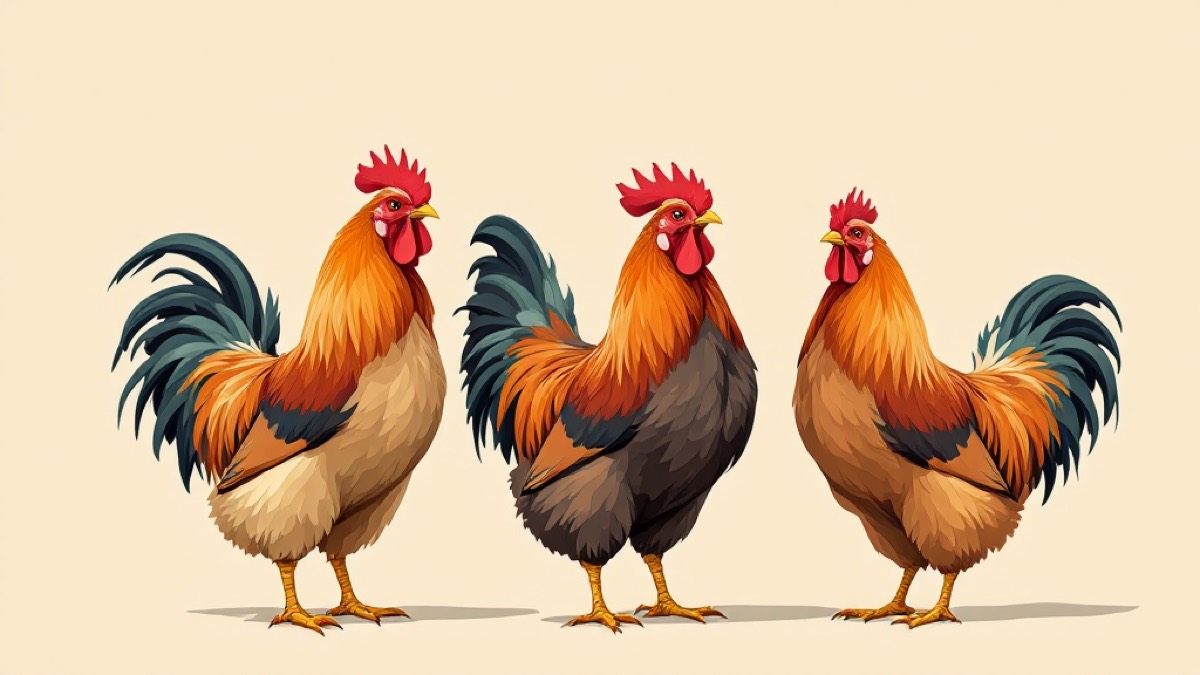
Lacy Roundhead Gamefowl: Why It's Trending in the PH
TL;DR: The Lacy Roundhead is a documented US-developed sub-line of the Roundhead bloodline that hit Google Trends “Breakout” status — a 5,000%+ search surge — in the Philippines, driven by scarcity, social media buzz, and anecdotal derby wins this guide can’t verify. Stags run ₱8,000–₱25,000 and proven broodcocks ₱25,000–₱80,000+, prices inflated by hype. This guide makes no fighting-performance comparison between the Lacy Roundhead and a standard Roundhead — the real, verifiable edge is documented lineage and trait consistency — and the market has a real scam problem with relabeled Roundheads sold as “Lacy.”
If you’ve been monitoring gamefowl trends in the Philippines, you can’t have missed it: the Lacy Roundhead is exploding in popularity. According to Google Trends data, “lacy roundhead gamefowl” has achieved Breakout status — meaning search interest has surged by more than 5,000% compared to the previous period.
But what exactly is the Lacy Roundhead? Why has it suddenly become this popular? And for those interested in buying — how do you find legit stock in the middle of all the hype?
What is the Lacy Roundhead?
The Lacy Roundhead is a specific sub-variety of the Roundhead bloodline developed and maintained by the Lacy family of American breeders. It’s not a completely separate bloodline — it’s a refined line within the broader Roundhead family.
The Lacy Family Legacy
The Lacy family are multi-generational gamefowl breeders in the United States who have dedicated decades to refining their Roundhead line. Their meticulous breeding program — focused on specific trait selection, consistent record-keeping, and strict culling — has produced a Roundhead line recognized for its quality and consistency.
The term “Lacy Roundhead” has become synonymous with premium quality Roundhead gamefowl — a bloodline with documented lineage tracing back to the Lacy breeding program.
Why Is the Lacy Roundhead Trending in the Philippines?
The surge in interest is driven by several factors:
Derby Buzz (Unverified)
Anecdotal reports and social media posts describe strong recent showings by birds marketed as Lacy Roundhead or Lacy Roundhead crosses at Philippine derbies. This guide has no way to verify individual fight results, and a claimed derby win tied to a family name isn’t something a buyer can confirm independently. The buzz itself is still a real driver of demand, whether or not every claim behind it holds up.
Social Media Amplification
Derby results and breeding accomplishments spread quickly across Facebook gamefowl groups. Clips said to show Lacy Roundhead fights have been shared thousands of times, creating viral awareness — awareness this guide treats as a market phenomenon, not a verified performance record.
Scarcity Factor
Documented, genuine Lacy Roundhead stock is relatively scarce on the Philippine market compared to ubiquitous bloodlines like Kelso and Sweater. That scarcity drives both interest and premium pricing.
Differentiation Appeal
Many experienced breeders are looking for something different — tired of the same Kelso-Sweater-Hatch combinations. The Lacy Roundhead offers fresh genetic material with documented, multi-generational lineage behind it.
Physical Characteristics of the Lacy Roundhead
The Lacy Roundhead shares the core characteristics of the Roundhead bloodline, but with some specific refinements:
Body Structure
The Lacy Roundhead is known for a well-proportioned, refined body structure. Compared to other Roundhead lines, the Lacy version has cleaner lines — muscular but streamlined, without excess bulk.
Feather Pattern
Typically black-breasted red — a dark breast area with rich red-orange hackle and saddle feathers. Feather quality is generally high — glossy, tight, and well-maintained.
Leg Color
Green legs (willow) are the standard — consistent with Roundhead tradition.
Head Shape
The distinctive rounded head of the Roundhead is present — the Lacy version is often noted for a particularly clean, well-shaped head.
Comb Type
Variable — some Lacy Roundhead lines have a pea comb and others have a straight comb. The pea comb is slightly more common.
Station
Medium station — a balanced height that isn’t extreme in either direction. The Lacy Roundhead is neither tall like the Sweater nor compact like the Hatch.
On “Fighting Style”
This is the query behind most searches for “Lacy Roundhead,” so it deserves a direct answer rather than a list of style claims.
This site does not attach performance or style descriptions to the Lacy Roundhead, or to any bloodline. The reasons:
- A buyer cannot verify them. There is no test you can run on a bird in a pen that confirms an intelligence, evasion, or counter-fighting claim made about a family line, documented or not.
- A documented lineage is not a performance guarantee. The Lacy family’s records establish ancestry and trait consistency in conformation — they do not establish how any individual bird fights.
- These descriptions are especially commercially useful right now, given how much hype and how many scam listings already surround this specific bloodline (see below).
- Conditioning, feeding, health, and handling shape outcomes at least as much as ancestry does.
A breeder with years of their own records, including the Lacy family itself, can describe what their birds have done in their own yard. That’s a statement about their operation. A style attributed to the “Lacy Roundhead” name in general, especially amid a trend this hyped, is exactly the kind of claim worth being most skeptical of.
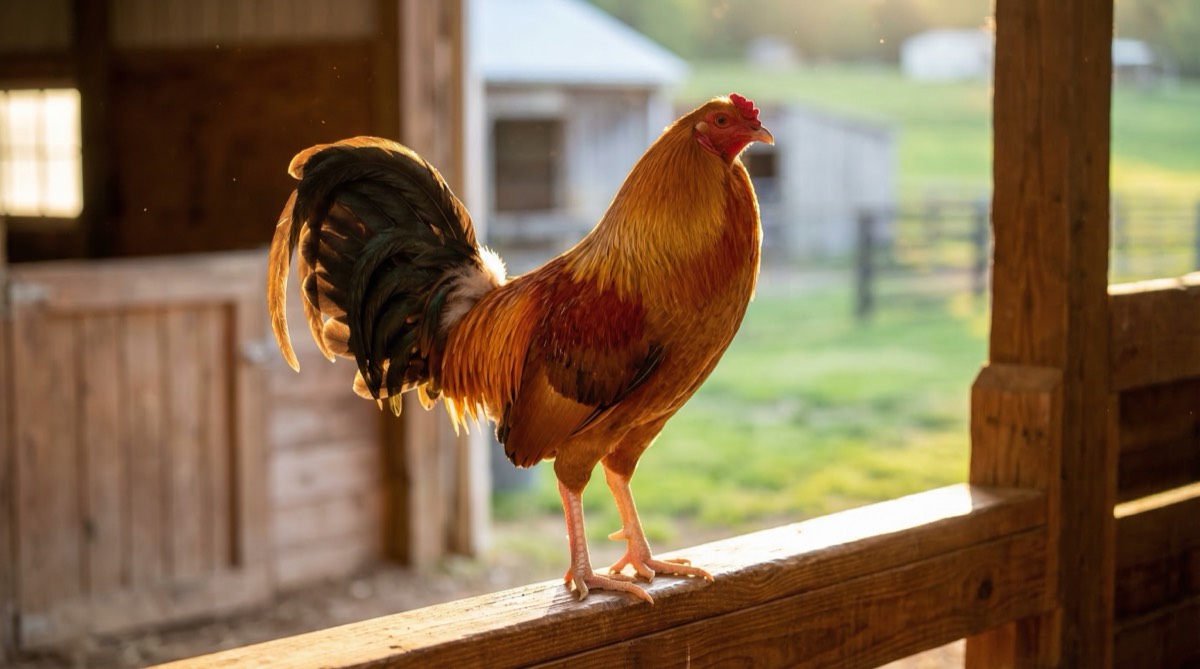
Lacy Roundhead vs Regular Roundhead: What’s the Real Difference?
Many people ask: “Is there really a significant difference?”
The honest answer is: the verifiable difference is in documentation and consistency, not in any claim about fighting.
The Lacy Roundhead has the advantage of documented lineage — the multi-generational breeding records of the Lacy family provide confidence in pedigree purity. Regular Roundheads often lack this level of documentation.
In terms of trait consistency, the Lacy Roundhead tends to produce more uniform offspring in conformation — the result of decades of careful selective breeding and strict culling. Regular Roundheads have more variation in physical traits.
This guide makes no comparison between the two by fighting outcome. That would require testing individual birds, not comparing a label. Individual quality, conditioning, and handling matter more than which name is on the bird.
The bottom line: the “Lacy” designation is a documentation and consistency indicator, not a fighting guarantee. A documented Lacy Roundhead from a reputable source gives you more certainty about what you’re actually buying — it does not promise anything about performance.
How Much Does a Lacy Roundhead Cost in the Philippines (2026)?
Due to trending demand, the Lacy Roundhead is commanding premium prices — significantly higher than the standard Roundhead:
Day-Old Chicks: ₱1,000 – ₱4,000
Stags (6-12 months): ₱8,000 – ₱25,000
Battle Cocks: ₱12,000 – ₱40,000+
Broodcocks (proven): ₱25,000 – ₱80,000+
Breeding Trios: ₱30,000 – ₱80,000+
These prices are inflated by hype — some buyers are willing to pay a premium for a trending bloodline. The realistic value falls somewhere between standard Roundhead pricing and peak hype pricing.
Warning: The Lacy Roundhead Scam Problem
The trending status of the Lacy Roundhead is attracting scammers and opportunistic sellers. Here are the red flags:
“Instant Lacy Roundhead” Sellers
Sellers who suddenly have “Lacy Roundhead” stock right when it started trending. If they weren’t known Roundhead breeders before the trend, ask: where did the stock come from?
No Documentation
Genuine Lacy Roundhead should have documented lineage. If the seller can’t provide any form of pedigree or breeding history, it’s likely not genuine Lacy Roundhead.
Regular Roundhead Relabeled
The most common scam: take a regular Roundhead, label it “Lacy Roundhead,” and charge a premium price. The two are physically hard to tell apart — documentation is the most reliable verification.
Suspiciously Low Prices
If a “Lacy Roundhead” is being sold at regular Roundhead prices, either it’s not genuine Lacy or something else is wrong.
How to Buy Legit Lacy Roundhead
Research the breeder’s history. How many years have they been breeding Roundheads? Do they have a track record from before the Lacy Roundhead trend started?
Ask for documentation. Pedigree records, breeding history, source of the original Lacy Roundhead stock. Legit breeders have a paper trail.
Visit the farm. If possible, visit the farm personally. Look at the breeding stock, the setup, and assess the breeder’s credibility face-to-face.
Get referrals. Ask trusted breeders in your network who is known to have genuine Lacy Roundhead stock.
Don’t rush. Hype is temporary, but quality breeding stock is a long-term investment. Don’t rush a purchase just because of “limited stock” pressure.
Best Lacy Roundhead Crosses
Lacy Roundhead × Sweater
The most talked-about cross combination right now, pairing the Sweater’s height with the Lacy Roundhead’s documented lineage. This guide makes no claim about how the cross performs in a fight.
Lacy Roundhead × Hatch
Combines the Hatch’s compact build with the Lacy Roundhead’s documented lineage. The challenge, as with any cross, is getting a consistent balance of conformation traits across offspring.
Lacy Roundhead × Kelso
Combines two well-documented bloodlines. Breeders choosing this cross are typically after Kelso’s trait consistency alongside Lacy Roundhead lineage.
For a broader look at cross combinations, see our Top Gamefowl Crosses guide.
Conclusion: Hype or Legit?
The Lacy Roundhead is both — there’s legitimate documented lineage behind the bloodline, but there’s inflated hype in the current market too. The bloodline itself is genuine and has real documentation to back it up. But the premium pricing and the flood of fake “Lacy Roundhead” sellers are cautionary factors.
Our advice: If you’re genuinely interested in the Lacy Roundhead, invest in documented stock from a verified source. Don’t chase the hype — focus on documentation and conformation.
And if you’re not willing or able to pay the Lacy Roundhead premium, a standard Roundhead from a quality source is a reasonable alternative. This guide makes no claim that one fights better than the other — conditioning and handling matter more than the label.
See our guide on finding and vetting gamefowl breeders in the Philippines for how to check a Roundhead or Lacy Roundhead seller’s documentation before you buy.
Also read our complete Roundhead guide for a broader overview of the Roundhead bloodline family.
Frequently Asked Questions
What is the Lacy Roundhead?
A documented sub-line of the Roundhead bloodline developed by the Lacy family of American breeders, known for consistent trait expression and recognized as premium-quality Roundhead stock.
Why is the Lacy Roundhead trending in the Philippines?
A combination of viral social media coverage, market scarcity, breeders looking for something different from common Kelso-Sweater-Hatch combinations, and anecdotal derby wins that this guide has no way to independently verify.
How much does a Lacy Roundhead stag cost?
Stags (6-12 months) run ₱8,000–₱25,000 as of 2026, though current pricing is inflated by hype on top of standard Roundhead value.
Is the Lacy Roundhead really different from a regular Roundhead?
Mainly in documented lineage and trait consistency, which affects verifiability and price. This guide makes no comparison of the two by fighting outcome — that would require testing individual birds, not comparing a label.
What's the biggest risk when buying a "Lacy Roundhead"?
Scammers relabeling a regular Roundhead as "Lacy Roundhead" and charging a premium, especially from sellers who suddenly have stock right when the trend started with no prior track record.
What's a popular Lacy Roundhead cross right now?
Lacy Roundhead × Sweater is the currently popular combination, pairing the Sweater's height with the Lacy Roundhead's documented lineage. This guide makes no claim about how the cross performs in a fight.
How can you verify a legit Lacy Roundhead breeder?
Research their breeding history before the trend started, ask for pedigree documentation, visit the farm if possible, and get referrals from trusted breeders in your network.
What leg color does a Lacy Roundhead have?
Green legs (willow), consistent with standard Roundhead tradition.