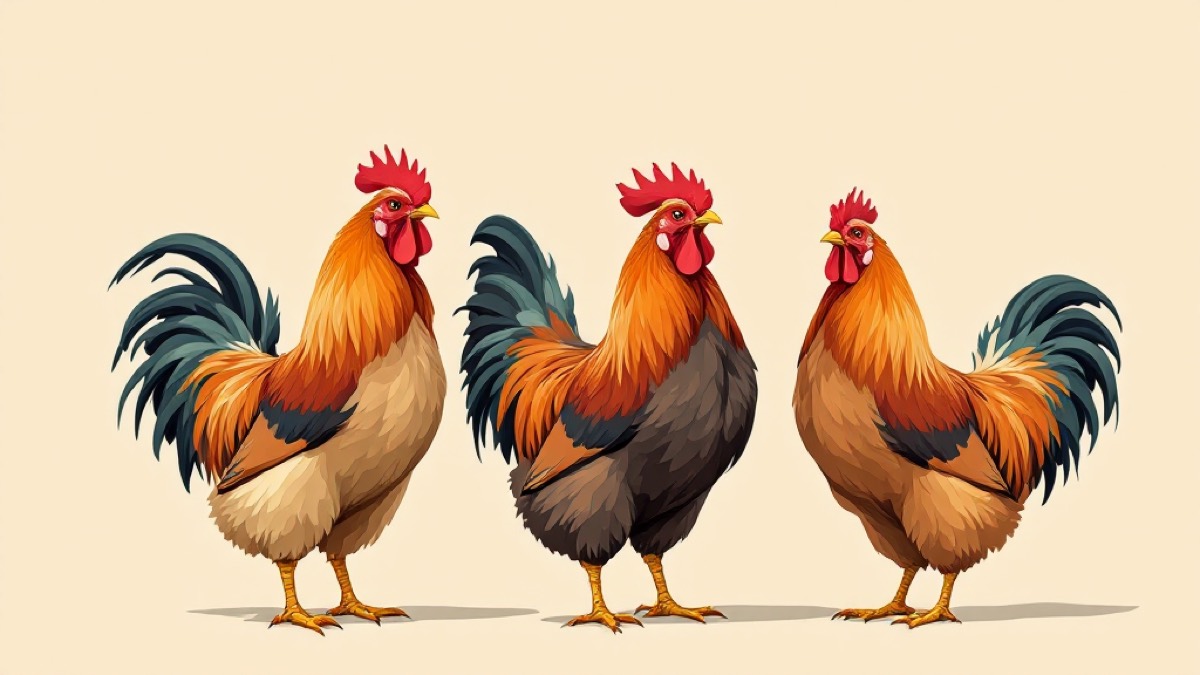
Claret Gamefowl: A 'Hidden Gem' Philippine Sabong Bloodline
TL;DR: The Claret is an American-developed gamefowl bloodline known for its deep wine-red plumage and documented lineage rather than any performance claim. It has an established history of being crossed with Sweater, Kelso, Hatch, and Grey, and the White Claret variant commands a 20–40% price premium for its visual appeal. In the Philippines, Claret stags run ₱2,500–₱12,000 and broodcocks ₱10,000–₱40,000+. This guide makes no fighting-performance claims for the Claret or any bloodline — what’s actually verifiable is plumage, station, leg color, and lineage documentation.
While Kelso, Sweater, and Hatch are the names you hear most often in Philippine sabong circles, there’s one bloodline that’s been quietly gaining attention: the Claret gamefowl.
The Claret isn’t new — it’s been in the gamefowl breeding scene for a long time. But in recent years, demand has been steadily rising in the Philippines. Google Trends data shows +100% growth in search interest for “claret gamefowl,” and “White Claret gamefowl” is one of the top related queries.
Why the growing interest? And what makes the Claret special? Let’s find out.
Where Did the Claret Bloodline Come From?
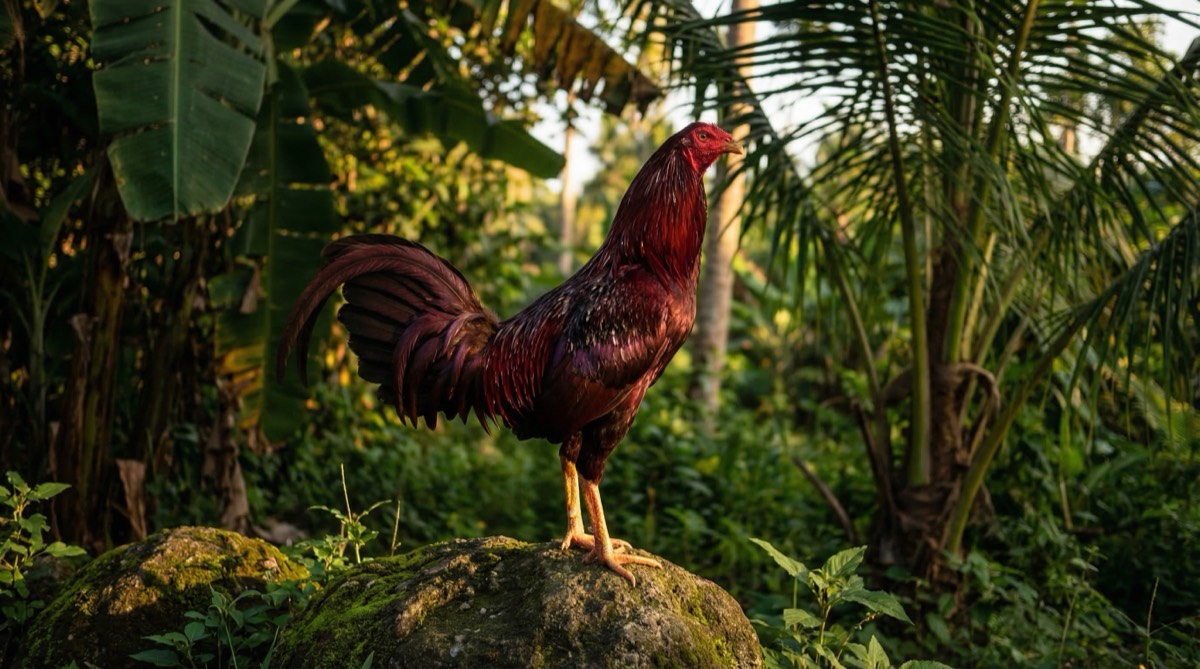
The Claret bloodline has its roots in the American gamefowl breeding tradition. The name “Claret” comes from the deep, rich red-wine color of its plumage — a claret color reminiscent of Bordeaux wine.
The development of the Claret involved several American breeders who selected for a specific combination of traits: medium station, hardiness, and that distinctive deep red plumage.
Unlike Kelso or Hatch, which have a single iconic founder, the Claret is more of a collective development — multiple breeders contributed to refining the bloodline over decades.
What Does a Claret Gamefowl Look Like?
Feather Color — The Defining Feature
The most recognizable characteristic of the Claret is its deep, rich red plumage — darker than the standard red of a Kelso, with a wine-toned quality that’s distinctive. The hackle and saddle feathers have rich mahogany to dark red tones.
White Claret Variant
The White Claret is the most searched variant on Google. It has lighter coloring — a white to cream body with reddish tints and some colored feathers. The White Claret is essentially the same bloodline but with a recessive white gene that produces lighter plumage.
The White Claret is sought-after for its visual appeal — it has a distinctive, standout appearance that’s easy to identify at a glance.
Leg Color
Leg color in the Claret varies — some lines have yellow legs, others have green (willow) legs, and some lines have slate or dark legs. It depends on the specific line and breeding history.
Comb Type
Most Clarets have a straight comb, but some lines have a pea comb — especially those with Oriental or Asil influence in their lineage.
Body Type and Station
The Claret is classified as medium station — balanced height, not particularly tall like the Sweater and not compact like the Hatch. The body build is muscular but streamlined, similar to other medium-station lines.
On “Fighting Style”
This is likely the question that brought many readers to this page, so it deserves a direct answer rather than a list of style descriptions.
This site does not attach performance or style claims to the Claret, or to any bloodline. The reasons:
- A buyer cannot verify them. There’s no test you can run on a bird in a pen that confirms a cutting, timing, or gameness claim made about a family line.
- Variation within the Claret is wide. Because the bloodline developed through multiple American breeders working somewhat independently rather than from a single founder, individual lines and individual birds vary more than a single style description could capture.
- These descriptions are commercially useful to sellers, especially for a bloodline riding rising demand, which is a reason to be careful with them rather than a reason to repeat them.
- Conditioning, feeding, health, and handling shape outcomes at least as much as ancestry does.
A breeder with years of their own records can describe what their birds have done in their own yard. That’s a statement about their operation, and it’s worth listening to. A style attributed to the Claret name in general is folklore, and repeating it here would be inventing authority this site doesn’t have.
Strengths and Considerations
Strengths
Distinctive plumage. The deep wine-red color is immediately recognizable and hard to fake convincingly, which makes visual verification easier than with less distinctive lines.
Established cross history. The Claret has a documented history of being paired with Sweater, Kelso, Hatch, and Grey stock, giving breeders a track record of lineage combinations to reference.
Rising market value. With growing demand, Claret breeders have an expanding market — a reasonable factor for anyone building a breeding program around the line.
Less oversaturated market. Compared to Kelso and Sweater, where nearly every breeder has stock, the Claret is less common — meaning less direct competition and easier differentiation for a breeder who commits to it.
Considerations
Not the tallest build. The Claret’s medium station is shorter than a Sweater’s, which matters if you’re specifically building toward a tall-framed line.
Less available. Because it’s been less popular historically, documented Claret stock is harder to find compared to mainstream bloodlines.
Some lines inconsistent. Because of the Claret’s varied development history, some lines aren’t consistent in their conformation — careful vetting of your source matters more than with a single-founder bloodline.
What Are the Best Claret Crosses?
Claret x Sweater
One of the most established crosses. It pairs the Sweater’s height with the Claret’s plumage and documented lineage — popular among breeders who want a taller-framed bird carrying Claret ancestry.
Claret x Kelso
A documented lineage combination pairing two well-recorded bloodlines. Breeders who choose this cross are typically after Kelso’s consistent trait expression alongside the Claret’s distinctive coloring.
Claret x Hatch
Combines the Hatch’s compact build with the Claret’s plumage and lineage. A common pairing among breeders who already keep both lines.
Claret x Grey
Pairs the Grey’s coloring and hardiness reputation with the Claret’s lineage — another established combination among breeders who value documented crosses over pure lines.
How Much Does a Claret Gamefowl Cost in the Philippines?
The Claret is generally priced similar to other mainstream bloodlines, but there’s an upward trend due to rising demand. Prices below are estimates based on market observation — actual prices vary by seller and region.
| Type | Price Range |
|---|---|
| Day-Old Chicks | ₱400 – ₱2,000 |
| Stags | ₱2,500 – ₱12,000 |
| Battle Cocks | ₱5,000 – ₱20,000+ |
| Broodcocks | ₱10,000 – ₱40,000+ |
| White Claret (Premium) | Add 20–40% to the above |
The White Claret commands a premium because of its visual appeal and growing demand.
How to Find Legitimate Claret Stock
With rising demand, be careful in the market:
Verify the color. True Clarets have a distinctive deep, wine-red plumage. If the “Claret” being sold looks like an ordinary red gamefowl, it’s likely not genuine Claret.
Ask for lineage documentation. Reputable Claret breeders have records of their line — who the source is and how many generations they’ve maintained the bloodline.
Check multiple traits. Don’t rely on color alone — also look at body structure, station, and overall conformation against documented Claret characteristics.
Source from known Claret specialists. Breeders known specifically for Claret are more reliable than breeders who “also have Claret” as a sideline to their main bloodlines.
Why Should You Consider the Claret?
If you’re looking for a bloodline that’s not yet oversaturated in the market, has distinctive, easy-to-verify conformation, and is growing in demand, the Claret is worth considering.
It’s not the flashiest bloodline in terms of market recognition, and it’s not the tallest. But its distinctive plumage, documented cross history, and rising market value make it a reasonable choice for a breeding program.
For breeders who are tired of the Kelso-Sweater-Hatch cycle and want a well-documented line that’s still building recognition, the Claret is worth exploring.
See our guide on finding and vetting gamefowl breeders in the Philippines for how to check a Claret seller’s documentation before you buy.
Interested in other bloodlines? Read our complete guides: Kelso | Sweater | Hatch | Roundhead
Frequently Asked Questions
What does a Claret gamefowl look like?
A deep, wine-red plumage with mahogany to dark red hackle and saddle feathers, medium station, and variable leg color depending on the line.
What's a White Claret?
The same bloodline with a recessive white gene that produces a lighter, white-to-cream body with reddish tints. It's sought after for its visual appeal and commands a 20–40% price premium.
How much does a Claret gamefowl cost in the Philippines?
Stags run ₱2,500–₱12,000 and proven broodcocks ₱10,000–₱40,000+, with White Claret adding a 20–40% premium on top.
What's the Claret's fighting style?
This guide makes no performance claims for the Claret or any bloodline. A cutting, timing, or gameness description attached to a family name isn't something a buyer can verify on a bird in a pen, and individual birds within the line vary more than a style label suggests. What is documented about the Claret is its plumage, its medium station, and its lineage.
What are the best Claret crosses?
Claret x Sweater, Claret x Kelso, Claret x Hatch, and Claret x Grey are the most established crosses in the market. Each pairs the Claret's documented plumage and lineage with another line's build, but this guide makes no claim about how any cross performs in a fight.
What are the Claret's weaknesses?
Its station is shorter than a Sweater's, documented stock is harder to find than mainstream bloodlines, and because of the Claret's varied development history, some lines are inconsistent in conformation, so vetting your source matters more than with a single-founder bloodline.
How do I verify a Claret is legitimate?
Check the plumage color, ask for lineage documentation, look at body structure and station rather than color alone, and buy from breeders known specifically for Claret.