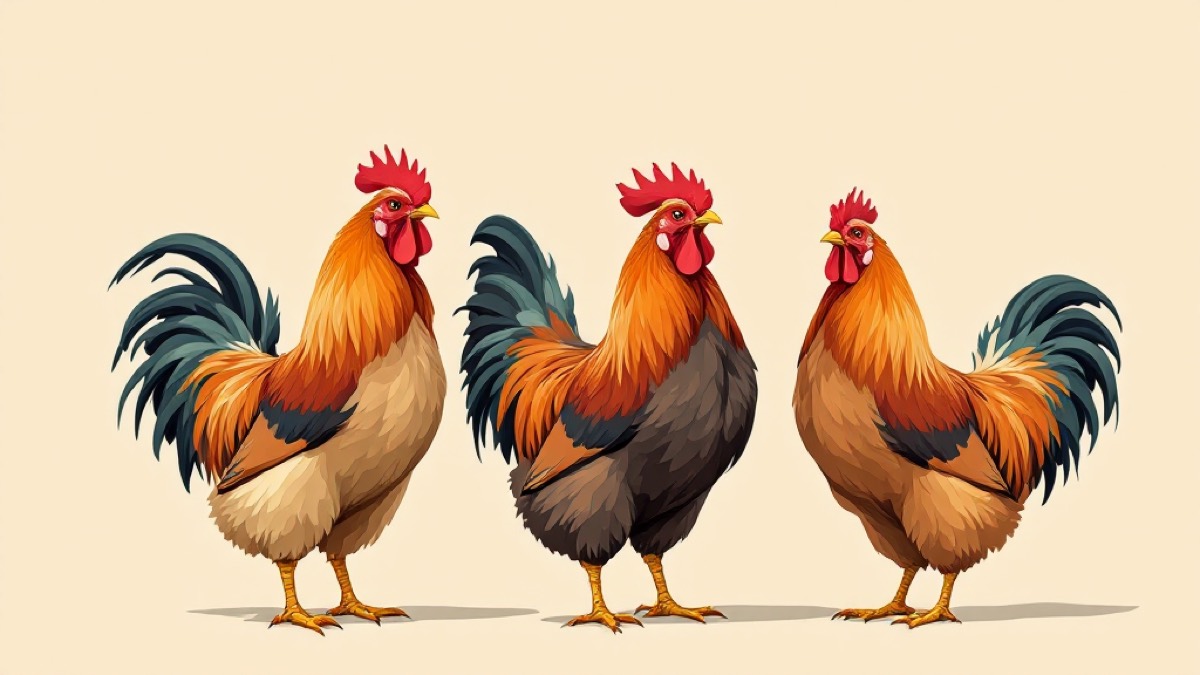
Grey Gamefowl: Another Colour Word Doing a Line's Job
TL;DR: Grey names a plumage colour and a group of lines at the same time, which is the recurring ambiguity in gamefowl naming. Grey plumage occurs in birds from unrelated lines, so colour describes a bird rather than establishing ancestry. One question resolves it: “do you mean the colour or a specific line?” Colour remains genuinely useful for identification and record-keeping — just not as proof of anything.
Third colour-derived name on this site, and the pattern is the point: brown red, lemon, grey. Understanding the pattern is worth more than any of them individually.
Why Colour Words Become Line Names
It happens for a practical reason.
In a yard with many birds, colour is the fastest way to tell them apart. So keepers describe birds by colour, the description attaches to particular families over years, and eventually the colour word gets used as though it were the family name.
Nothing stops that, because there is no registry — gamefowl bloodlines are maintained by the breeding community rather than by a standards body, as our fighting rooster breeds guide sets out.
The result is a vocabulary where the same word can mean:
- A plumage colour, describing any bird that looks that way.
- A family of birds maintained by particular breeders.
- Part of a compound name — see lemon gamefowl on how those are built.
The Question That Resolves It
“When you say Grey, do you mean the colour or a specific line?”
Ask it first. A breeder who maintains a line answers immediately and can tell you where it came from. Someone reselling repeats a word.
Then the standard five:
- Where did the line come from, from whom and when?
- Pure or crossed, with what and how far back — see how to cross breed gamefowl.
- Can I see the parents and the written records? — see gamefowl breeding chart and pedigree tracking.
- What is the health and vaccination history?
- What did this bird’s siblings turn out like?
Then quarantine whatever comes home.
What Colour Is Actually For
Not nothing — a different job than people expect:
Identification. Colour plus leg colour plus band number identifies an individual bird quickly. That is daily, practical work.
Record-keeping. A pedigree entry describing colour, leg colour and distinguishing marks makes the record usable by someone else later — including you in three years. See gamefowl breeding chart and pedigree tracking.
Communication. Describing a bird to another breeder without both of you standing in front of it.
Deliberate selection, if you are breeding for a look. A legitimate goal, as long as it is not confused with breeding for anything else.
Filipino colour vocabulary does exactly the same work — see pangalan at kulay ng manok panabong for talisayin, bulik, lasak and the rest, and the same caution applies there.
Keeping Your Own Records Honest
The ambiguity this guide describes is manufactured one yard at a time. You can at least not add to it:
- Record colour in its own field, separate from line name.
- Write down what the seller told you, with their name and the date.
- Do not let a colour word become your line name over time in your own records.
- Pass the record on when you sell a bird.
The Honest Limits Here
That Grey is used both as a plumage description and as a line name, and that gamefowl bloodlines are breeder-maintained families verified by pedigree rather than by appearance, is consistent with how the naming works in practice. This guide gives no origin story, no definitive physical description, no performance claims and no prices, because there is no published standard to describe a bloodline against, ability claims here are reputation rather than measurement, and pricing is set bird by bird. Ask the breeder what they mean and verify with records and parent stock.
Related: brown red gamefowl, lemon gamefowl, how to identify gamefowl bloodlines, best gamefowl bloodlines.
Frequently Asked Questions
What is Grey gamefowl?
Grey is used both as a plumage description and as a line name in the gamefowl community. Which one a seller means depends on the seller, so it is the first thing to ask.
Is Grey a single bloodline?
Not in any registry sense. Like all gamefowl line names it identifies families maintained by breeders and traced through pedigree rather than defined by a published standard.
Can I identify a Grey by its colour?
No. Grey plumage occurs in birds from unrelated lines, so colour describes the bird rather than establishing where it came from.
Why do so many gamefowl names come from colours?
Because colour is the most visible way to tell birds apart in a yard, so descriptive words attach to families over time and eventually get used as if they were the family name.
How does Grey perform?
This site makes no performance claims for any bloodline or colour, because such claims are reputation rather than measurement.
What should I ask a breeder selling Greys?
Whether they mean the colour or a specific line, where the line came from, what has been crossed in and when, and whether you can see the parents and the records.
Is colour useful at all?
Yes, for identification and record-keeping — telling one bird from another and describing a bird in a pedigree. That is a real job, just not the job people expect of it.