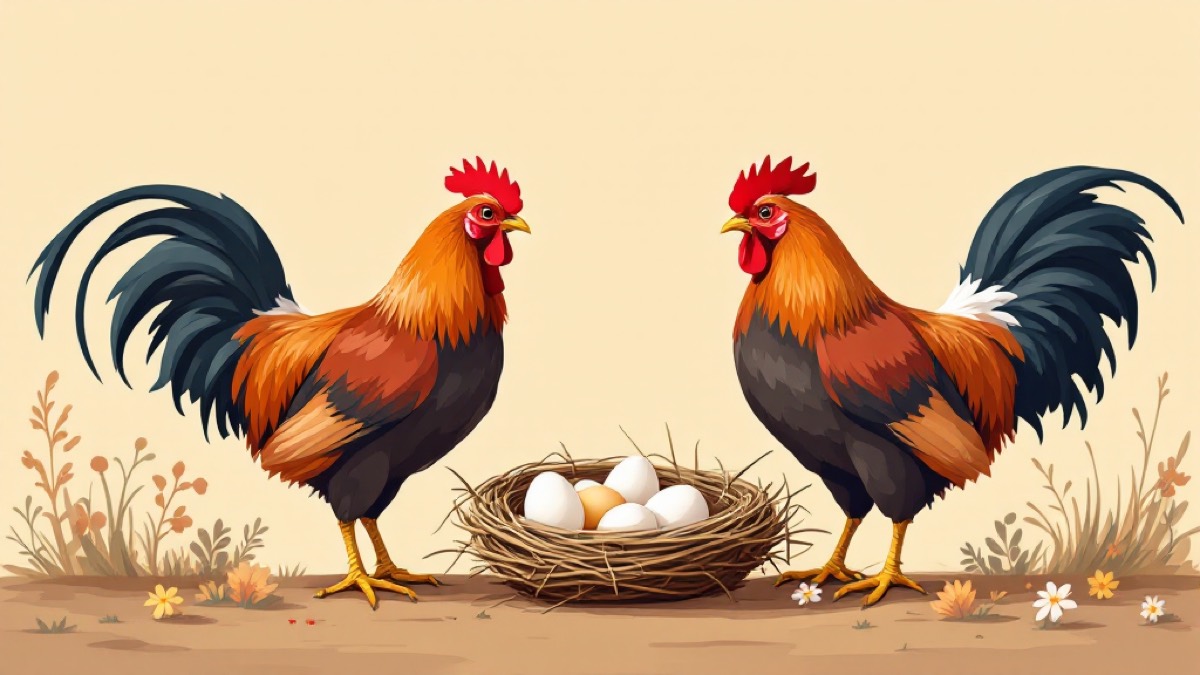
Priming Guide: How to Prepare Broodcocks and Broodhens Before Breeding
TL;DR: Priming is a 4–6 week protocol that gets broodcocks and broodhens to peak condition before pairing — deworming and a bacterial flush in Week 1, weekly vitamin and testosterone injections plus a 2:1 breeder-to-derby pellet mix through Week 4, then vent trimming once she squats submissively and he starts wing-dragging and tidbitting.
What Is Priming, and When Should You Start?
Priming is the 4–6 week process of getting broodcocks and broodhens to peak physical condition — health, nutrition, and body weight — before you pair them, so fertility stays high, eggs come out strong, and chicks hatch healthy. Start priming 4 to 6 weeks before your planned pairing date; in the Philippines, that usually means beginning as early as September to be ready for the October–March breeding season. If you haven’t settled on which birds to pair yet, work that out first — priming only pays off once you know which cock and hen you’re conditioning toward.
What Does the 4-Week Priming Timeline Look Like?
Week 1: Health Reset
Week 1 clears the bird’s system before any supplementation starts — deworming, delousing, and vaccination come first, then a bacterial flush once the parasites are gone. On Day 1, deworm with Wormal (1 tablet per adult bird), delouse with an anti-mite shampoo, and give the NCD B1 La Sota vaccine by eye drop to both cock and hen — this is also a good checkpoint to confirm your Newcastle Disease protection is current, since NCD has no cure and vaccination is the only real prevention. From Day 4 to 8, run a bacterial flush with Premoxil (or raw garlic if you’d rather skip pharmaceuticals) to clear out bacteria the deworming left behind, then start probiotics on Day 9 to rebuild the gut bacteria the antibiotic also killed. Skipping the flush or the probiotics afterward is one of the most common priming mistakes — see our complete deworming and bacterial flushing protocol for the full 8-day version of this same sequence.
| Day | Action | Details |
|---|---|---|
| Day 1 | Deworm | Wormal — 1 tablet per adult bird, orally |
| Day 1 | Delouse | Bathe using anti-mite shampoo (e.g., Triple X) |
| Day 1 | Vaccinate | NCD B1 La Sota — eye drop method, both cock and hen |
| Day 4–8 | Bacterial flush | Premoxil — 10g per gallon of water, 3–5 days. Purpose: eliminate harmful bacteria internally. Alternative: Raw garlic (natural antibiotic) if you prefer to avoid pharmaceuticals. |
| Day 9+ | Start probiotics | Begin immediately after the antibiotic course to restore good gut bacteria |
Why is a bacterial flush needed? Deworming removes parasites but leaves behind bacteria. The flush cleans the gut so nutrient absorption improves in the following weeks.
Weeks 2–4: Supplementation and Conditioning
From Week 2 through pairing — and on into the breeding period itself — both birds get weekly injectable supplements (vitamin A/D/E, B-complex) plus daily electrolytes and multivitamins in the water. The one exception is testosterone: that injection goes to the broodcock only, never the hen. Run the injectables for 5–6 straight weeks, then drop to twice a month as maintenance once breeding is underway. See our gamefowl vitamins and supplements guide for what these products actually do and how breeders typically source them.
Injectable Supplements (Weekly)
| Supplement | Dosage | Injection Site | For Whom |
|---|---|---|---|
| Vitamin A, D, E (e.g., GenVet) | 0.5cc per week | Right thigh | Both cock and hen |
| B-Complex (e.g., Bexan XP) | 0.5cc per week | Alternating thigh | Both cock and hen |
| Testosterone (e.g., MEEB by Lakpue) | 0.5cc per week | Left thigh | Broodcock ONLY — do not give to hens |
Continue injectables for 5–6 consecutive weeks, then switch to twice a month as maintenance during the breeding period.
Daily Water Supplements
| Supplement | Dosage | Schedule |
|---|---|---|
| Electrolytes + multivitamins (e.g., Selectrogen) | Per product label | Daily in the water |
| Vitamin E gel cap | 1 capsule per bird | Once a week |
What Should You Feed During Priming?
Feed changes twice — once during priming itself, and again after pairing. Before pairing, both birds get a 2:1 mix of breeder pellets to hi-protein derby pellets, twice daily — around 30–35g per feeding for the broodcock and 40–80g for the broodhen. After pairing, the broodcock switches to derby pellets plus derby conditioner to hold fighting weight, while the broodhen gets breeder pellets plus derby conditioner and free-choice oyster shell grits for eggshell quality. Flax seed and moringa leaves mixed into either bird’s feed add Omega-3s that support fertility and egg quality. Feed the cock and hen separately, not from the same dish, so each bird actually gets its own portion — and don’t let the broodcock get fat, since an overweight cock has a lower hatch rate. See our feed brand comparison guide for how Thunderbird, Supremo Infinity, and B-MEG stack up if you’re still choosing a breeder pellet.
Priming Phase (Before Pairing)
| Bird | Feed Mix | Amount | Schedule |
|---|---|---|---|
| Broodcock | 2 parts breeder pellets + 1 part hi-protein derby pellets | 30–35g per feeding | 2x daily (AM and PM) |
| Broodhen | 2 parts breeder pellets + 1 part hi-protein derby pellets | 40–80g per feeding | 2x daily (AM and PM) |
Breeding Phase (After Pairing)
| Bird | Feed Mix | Notes |
|---|---|---|
| Broodcock | Derby pellets + derby conditioner | Maintain fighting weight — don’t let him get fat |
| Broodhen | Breeder pellets + derby conditioner | Add oyster shell grits (free-choice) for calcium/eggshell quality |
Additional tips:
- Flax seed — mix into feed for Omega-3 (improves fertility and egg quality)
- Malunggay (moringa) leaves — can be mixed into feed for added nutrients
- Feed cock and hen separately — don’t feed them together, so each gets the right amount
Important: Don’t let the broodcock get fat. An overweight cock has a lower hatch rate. Control weight through proper feed portions and exercise.
How Do You Physically Condition Birds During Priming?
Priming isn’t only nutritional — sunlight, exercise, and a couple of physical checks matter just as much as the supplements. Give both birds morning sun exposure between 6 and 8 AM, and let them move naturally in fly pens (flying, scratching, dust bathing) rather than keeping them cooped up. Trim the feathers around the vent on both cock and hen before pairing — chickens have no external genitalia, so mating happens vent-to-vent, and thick feathers can physically block it. Weigh both birds weekly; the target is lean, not underweight.
| Aspect | What to Do |
|---|---|
| Sunlight | Allow morning sun exposure (6:00–8:00 AM) |
| Exercise | Fly pens for natural movement — flying, scratching, dust bathing |
| Vent trimming | Trim the feathers around the vent on both cock and hen before pairing. Chickens have no external genitalia — mating is vent-to-vent contact. Thick feathers can block it. |
| Weight | Monitor weight weekly. The ideal breeding weight is lean but not underweight. |
How Do You Know They’re Ready to Breed?
A hen is ready when her comb and wattles turn swollen and bright red, she drops into a submissive squat when you reach toward her back, her vent turns larger, oval, moist, and pink, and you can fit 3–4 fingers between her pelvic bones. A cock signals readiness through wing-drag waltzing, tidbitting (picking up food, clucking, circling the hen), active mounting attempts, and a bright red comb and wattles of his own. Both birds ideally are 2–5 years old — waiting for maturity lets you see traits that don’t show up yet in stags and pullets. A useful pairing trick: put a proven hen (at least 2 years old) with a young broodcock, or the reverse, so at least one bird in the pair has already proven itself. Once you’ve settled on the pair, our breeding calculator and pedigree tracking guide can help you plan and record the cross.
Broodhen
| Sign | How to Check |
|---|---|
| Reddening comb and wattles | Previously small/pale, now swollen, plump, and bright red |
| Submissive squat | When you reach toward her back, she crouches, lowers her wings, and drops her tail — this means she’s receptive to mating |
| Pelvic bone spacing | Feel the pelvic bones near the vent — if 3–4 fingers fit between them, she’s ready / actively laying |
| Vent changes | The vent becomes larger, oval, moist, and pink |
Broodcock
| Sign | How to Check |
|---|---|
| Wing drag / waltzing | He lowers one wing and dances in circles around the hen |
| Tidbitting | He picks up food (real or pretend), clucks excitedly, scratches the ground, and circles the hen |
| Active mounting | He attempts to mount hens (treading) |
| Bright red comb and wattles | Healthy and vibrant in color |
Ideal Breeding Age
2–5 years old for both cock and hen. Waiting until maturity helps you identify desirable and undesirable traits that aren’t yet visible in stags and pullets.
Pro tip: Pair a proven hen (at least 2 years old) with a young broodcock, and vice versa.
What’s Different Between Priming a Broodcock and a Broodhen?
The core priming steps — deworming, delousing, vaccination, the bacterial flush, and most injections — are shared. A handful of things apply to only one sex, and mixing them up is an easy mistake to make.
| Aspect | Broodcock | Broodhen |
|---|---|---|
| Testosterone injection | Yes (MEEB, 0.5cc/week) | No |
| Vitamin ADE injection | Yes | Yes |
| B-Complex injection | Yes | Yes |
| Iron supplement | 0.5cc every 15 days | Not needed |
| Calcium / oyster shell | Not needed | Needed (for eggshell quality) |
| Vent trimming | Yes | Yes |
| Weight management | Critical — overweight = lower hatch rate | Critical — overweight = fewer eggs |
What Are the Most Common Priming Mistakes?
The most common mistake is skipping priming altogether — pairing birds cold, without any of the health reset or conditioning above, which shows up as low fertility and weak chicks. Skipping the deworming/delousing step is close behind, since parasites steal nutrients right when the birds need them most, and skipping the bacterial flush or the post-flush probiotics leaves residual gut issues that can even pass to offspring. On the feeding side, letting either bird get overweight or feeding cock and hen from the same dish (instead of separately) both undercut what priming is supposed to deliver, and forgetting to trim vent feathers before pairing can block mating outright. If you’re new to breeding gamefowl in general, our beginner’s guide to breeding gamefowl covers the basics priming builds on.
- Skipping priming — pairing birds without preparation results in low fertility and weak chicks
- Skipping deworming/delousing — parasites steal nutrients and add stress
- No bacterial flush — residual infections affect nutrient absorption and can be passed to offspring
- No probiotics after antibiotics — the good bacteria were killed too and need to be restored
- Overweight birds — an overweight broodcock = lower hatch rate; an overweight hen = fewer eggs
- Not feeding separately — cocks and hens have different nutritional needs; separate them during feeding
- Not trimming vent feathers — thick feathers around the vent block cloacal contact during mating
Disclaimer: This guide is for reference purposes and is based on established Filipino breeder practices and manufacturer product labels. Consult a veterinarian for specific health concerns regarding your flock.
Frequently Asked Questions
How long before pairing should you start priming gamefowl?
4 to 6 weeks before your planned pairing date. In the Philippines that usually means starting priming as early as September to be ready for the October-March breeding season.
What's the first thing to do in gamefowl priming?
Clear the bird's system first — deworm with Wormal, delouse with an anti-mite shampoo, and give the NCD vaccine, all on Day 1, before starting any supplements.
Why does priming include a bacterial flush after deworming?
Deworming removes parasites but leaves bacteria behind. A 3-5 day Premoxil flush (or raw garlic if you want to skip pharmaceuticals) clears the gut so nutrient absorption improves once supplementation starts.
Does the broodhen get the same injections as the broodcock during priming?
Almost — both get weekly vitamin A/D/E and B-complex injections, but testosterone injections go to the broodcock only. Giving testosterone to a hen is a mistake to avoid.
How do you know a broodhen is ready to breed?
Her comb and wattles turn swollen and bright red, she drops into a submissive squat when you reach toward her back, her vent becomes larger and moist, and you can fit 3-4 fingers between her pelvic bones.
What is the ideal age to pair broodcocks and broodhens?
2 to 5 years old for both birds. Pairing a proven hen (at least 2 years old) with a young broodcock, or the reverse, is a common trick so at least one bird in the pair has already proven itself.
Why is vent trimming part of priming?
Chickens have no external genitalia — mating happens vent-to-vent — so thick feathers around the vent on either bird can physically block mating if they aren't trimmed before pairing.
What happens if you skip priming altogether?
Pairing birds cold, without the health reset and conditioning priming provides, typically shows up as low fertility and weak chicks.