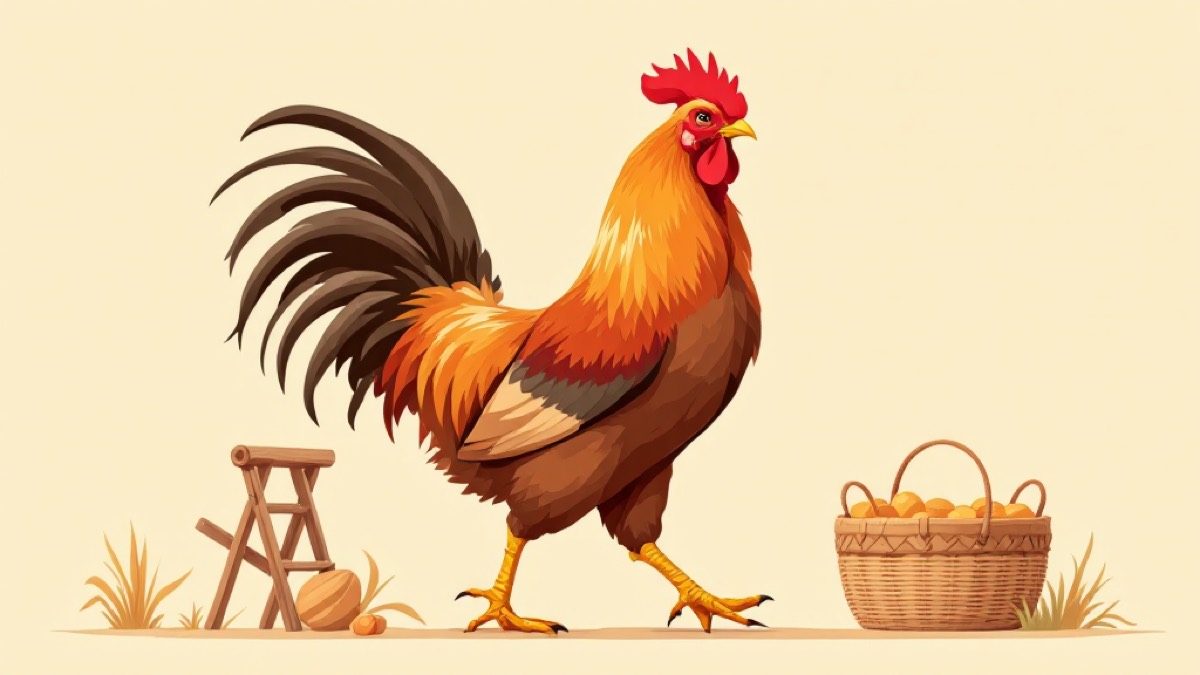
How to Point Gamefowl: Grooming a Battle Cock Right
TL;DR: Pointing is the final grooming and prep of a gamefowl before a fight — dubbing (comb/wattle removal), feather trimming, and leg/spur grooming. Dub 3-4 weeks before the fight, never 1-2 days out, since a fresh wound needs time to heal. Over-trimming feathers strips away natural protection, so trim conservatively rather than aggressively. It’s a skill built through practice and hands-on mentorship, not something to pick up overnight.
Pointing is the final grooming and preparation of a gamefowl before a fight. It’s the last step in the conditioning process — sharpening and grooming the battle cock so it’s in the best possible condition when it enters the pit.
For beginners, pointing looks simple — “just trim the feathers and comb.” But in reality, proper pointing is a skill that takes practice and knowledge to master. Sloppy pointing can cause discomfort to the gamefowl, affect performance, or result in injuries.
What is “Pointing”?
Pointing is the collective term for all grooming and preparation activities done to a gamefowl before a fight. This includes:
Dubbing — trimming or removing the comb and wattles. Feather trimming — trimming specific feathers to reduce “handles” that an opponent can grab. Leg grooming — cleaning and conditioning of legs and spurs. Overall grooming — general cleaning and preparation of the gamefowl.
Not all pointing activities are done every time — dubbing, for example, is a one-time procedure. But feather trimming and grooming are done before every fight.
Dubbing: Removing the Comb and Wattles
Why Dub?
A gamefowl’s comb and wattles are vulnerable areas in fighting:
A large comb is an easy target — the opponent can strike the comb and cause bleeding that affects vision and stamina. Wattles are grab points — the opponent can grab the wattles during infighting. And blood loss from comb and wattle injuries is draining — these areas are highly vascularized.
Dubbing removes these vulnerable targets, giving the gamefowl a cleaner, more streamlined profile for fighting.
When to Dub?
The ideal time to dub is not right before a fight — it’s done well in advance:
Best timing: 3-4 weeks before the fight, or when the gamefowl is still young (6-8 months), to allow enough healing time.
Never: Don’t dub 1-2 days before a fight. A fresh dubbing wound is painful and hasn’t healed — that’s a disadvantage, not an advantage.
How to Dub (Basic Process)
Disclaimer: Dubbing is a procedure best learned through hands-on mentorship from an experienced handler. The description here is for educational purposes — it’s not a replacement for proper training.
Preparation. Make sure all tools are clean — sharp scissors or dedicated dubbing scissors, antiseptic solution (Betadine), and styptic powder or cornstarch (for bleeding control).
The comb. Trim the comb close to the head using sharp scissors. The goal is a smooth, low-profile surface. Cut in one clean motion — don’t sawtooth it.
The wattles. Trim the wattles close to the jawline. Same principle — clean cuts, minimal tissue.
Aftercare. Apply antiseptic to the trimmed areas. Monitor for infection over the following days. Healing is typically complete within 1-2 weeks.
Feather Trimming
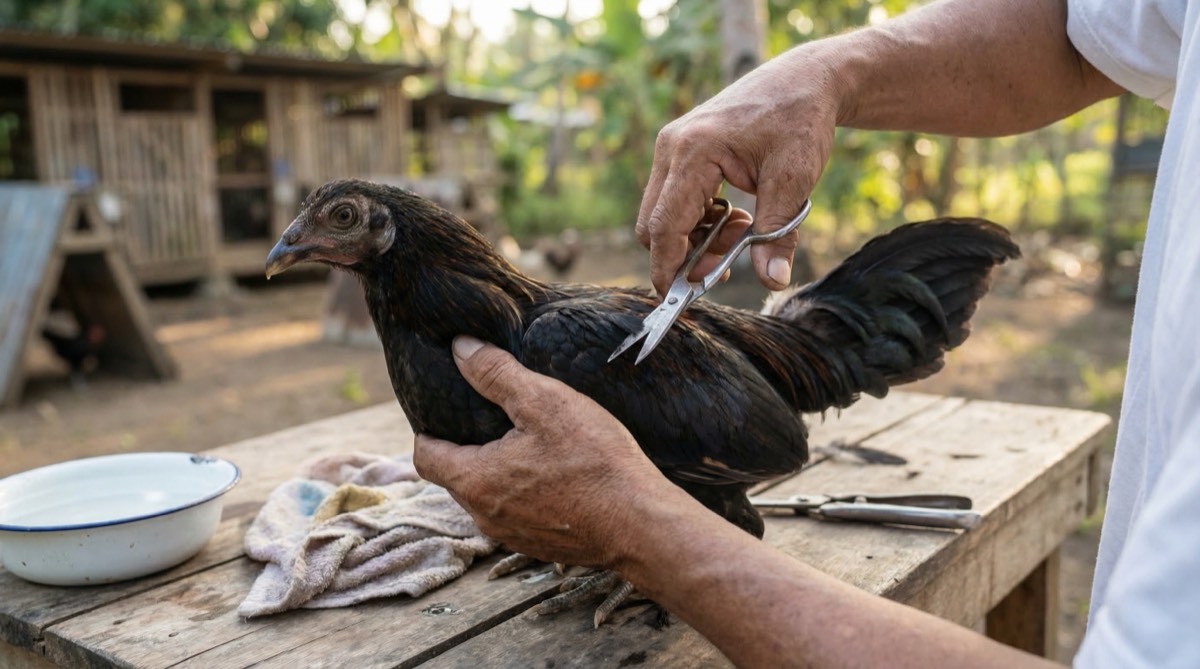
Feather trimming is done to reduce “handles” — feathers that the opponent can grab or that can snag on the gaff/knife.
Which Feathers to Trim?
Hackle feathers (neck). Long hackle feathers are trimmed to reduce grab points around the neck area. Not completely removed — just trimmed to a reasonable length.
Saddle feathers (back). Similar to hackle — excessively long saddle feathers are trimmed for a cleaner profile.
Tail feathers. The main tail feathers are usually left intact — they serve as the gamefowl’s balance mechanism. But excessively long decorative tail feathers can be trimmed.
Body feathers. Loose or excess body feathers are tidied up for a cleaner overall appearance.
Wing feathers. Primary flight feathers are usually left intact. Some handlers trim a few secondary feathers, but this is discretionary and debated in the community.
How Much to Trim?
The key principle is: trim enough to reduce vulnerability, but not so much that you affect the gamefowl’s natural protection and balance.
Over-trimming has risks — feathers also serve as protection against cuts and scrapes. Bald spots are more vulnerable to direct strikes.
Leg and Spur Grooming
Spur Conditioning
A gamefowl’s natural spurs grow continuously. Depending on the fight format:
In gaff/tari fights: The natural spur is usually trimmed or sawed down to accommodate the artificial gaff or tari. Trimming is done using a fine-toothed saw or specialized spur trimmer.
In naked heel fights: The natural spur is sharpened and conditioned. Conditioning involves regular filing and natural wear.
Leg Cleaning
The legs need to be clean and healthy:
Wash the legs with warm water and mild soap to remove dirt and dried mud.
Scale conditioning. Leg scales are sometimes conditioned with light oil (coconut oil or baby oil) to keep them supple and healthy-looking.
Inspect for injuries. Check for cuts, swelling, or signs of scaly leg mites.
Other Pointing Activities
Ear Trimming
The ear lobes (ear area) of a gamefowl are sometimes trimmed — loose skin around the ear area can be grabbed and torn during fighting. The trimming is minor and focused on removing excess skin.
Beak Trimming
The beak is sometimes slightly trimmed or filed for a proper bite — especially if there’s overgrowth. No drastic cutting — just light trimming for proper alignment.
Weight Check and Adjustment
Part of pointing is the final weight check:
Make sure the gamefowl is within the target weight class. Slight feeding adjustments are made in the last 2-3 days — not drastic weight cutting, just fine-tuning.
Pointing Timeline: When to Do Each Step
3-4 Weeks Before the Fight
Dubbing (if not done previously). This is the earliest and most invasive procedure, so it needs the longest healing time.
1 Week Before the Fight
Initial feather trimming. Start trimming the hackle, saddle, and excess feathers. This gives time for the gamefowl to settle and for you to verify there’s no over-trimming.
Leg grooming. Wash and condition the legs.
2-3 Days Before the Fight
Final trim and touch-up. Review the feather trimming and adjust if needed. Final cleaning and grooming.
Spur preparation. Trim or condition the spurs depending on the fight format.
Fight Day
Final inspection. Quick check of overall condition — clean, properly groomed, no issues.
Weight verification. Final weigh-in for weight class compliance.
Glossary of Pointing Terms (Filipino/Sabong Terms)
For beginners, here are the common terms you’ll hear in pointing and conditioning:
Dub / Dubbing — trimming the comb and wattles. Point / Pointing — overall grooming and final preparation. Tari — long knife (gaff) used in Philippine sabong. Gapi — short knife. Taga — a Filipino sabong term used for a gamefowl’s striking motion; the site makes no claim about which birds are described this way. Siga — aggressive; a brave, bold gamefowl. Tuka — peck; a beak strike. Takip — cover; a defensive move. Sultada — release; releasing the gamefowl into the pit. Llamado — favorite; the expected winner. Dejado — underdog. Sentensyado — death blow; the finishing strike.
Common Mistakes in Pointing
Dubbing too close to the fight. Dubbing needs weeks of healing time. Don’t dub 2-3 days before a fight.
Over-trimming feathers. Excessive feather removal exposes skin and reduces natural protection. Trim conservatively.
Ignoring tool cleanliness. Dirty scissors or trimmers can introduce infection. Always clean and disinfect tools before use.
Rushing the process. Pointing requires patience. Rushing leads to uneven cuts, mistakes, and a stressed gamefowl.
Neglecting aftercare. Freshly dubbed or trimmed areas are vulnerable to infection. Monitor and apply antiseptic as needed.
Conclusion
Pointing is an essential skill for anyone managing gamefowl for fighting. It’s a combination of grooming technique, timing, and experience that improves over time.
If you’re a beginner, the best approach is to observe an experienced handler first before attempting it yourself. Many senior breeders are willing to teach — attend cockpit events, ask questions, and slowly build your skills.
To find experienced breeders and handlers in your area, see our guide on finding and vetting gamefowl breeders in the Philippines.
Also read our 21-Day Conditioning Program for a complete guide from conditioning to fight-day preparation.
Frequently Asked Questions
What is pointing in gamefowl conditioning?
Pointing is the final grooming and prep of a gamefowl before a fight — dubbing, feather trimming, and leg/spur grooming — done as the last step of conditioning.
When should you dub a gamefowl?
Best done 3-4 weeks before the fight, or while the gamefowl is still young (6-8 months), so there's enough time to heal. Never dub 1-2 days before a fight.
Why do breeders dub the comb and wattles?
Both are vulnerable in fighting — the comb is an easy strike target and the wattles are grab points, and both are heavily vascularized, so injuries there cause heavy bleeding.
Which feathers get trimmed before a fight?
Hackle and saddle feathers are trimmed to reduce grab points. Main tail feathers and primary wing feathers are usually left intact since they support balance and flight.
How much feather should you trim?
Enough to reduce vulnerability, but not so much that it strips away natural protection and balance — over-trimming exposes bald skin to direct strikes.
What is a "tari" in Filipino sabong terms?
A tari is the long knife (gaff) used in Philippine sabong, as opposed to a "gapi," which is a short knife.
What's the most common mistake in pointing?
Dubbing too close to the fight. A fresh dubbing wound needs weeks to heal, so dubbing 2-3 days before a fight leaves the gamefowl at a disadvantage, not an advantage.
Should beginners attempt dubbing on their own?
No — it's best learned through hands-on mentorship from an experienced handler rather than attempted solo the first time.