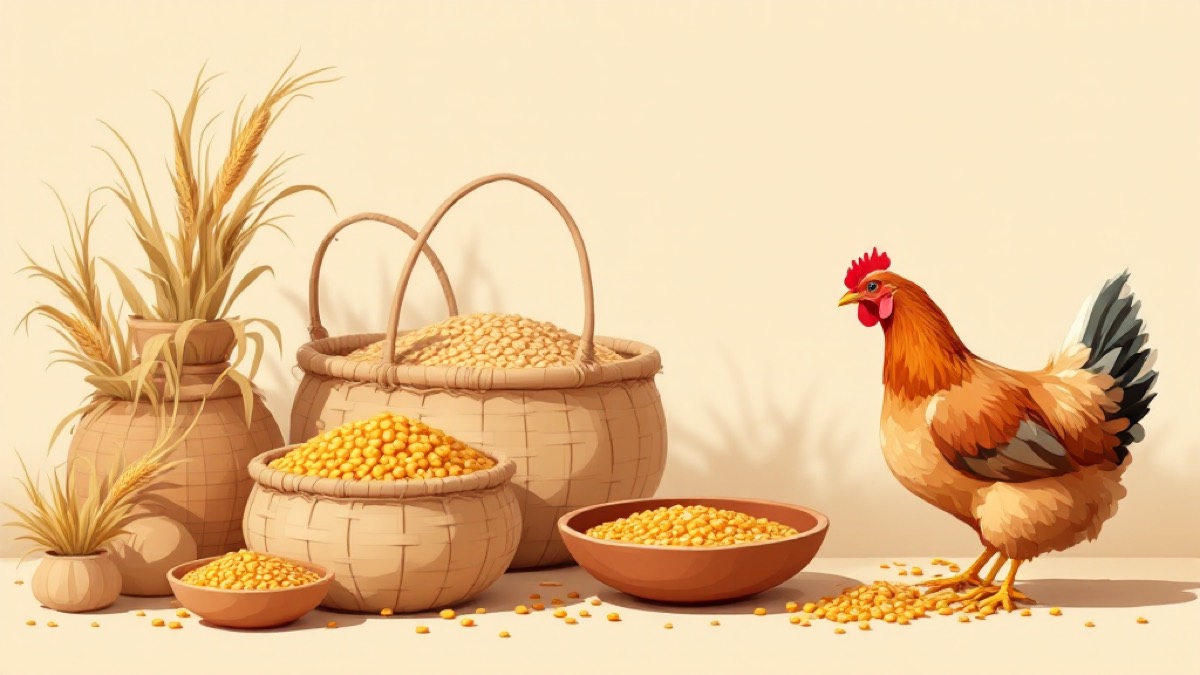
6-Stage Gamefowl Feeding Guide: Chick to Battle-Ready
TL;DR: Gamefowl nutrition moves through 6 stages, from 21-24% protein chick starter up to 15-17% maintenance feed, back up to 20-22% during the 14-21 day conditioning phase before a fight. Popular local brands include B-Meg and Vitarich. Overfeeding is the most common mistake — fat gamefowl are harder to bring into condition and lose muscle tone and stamina. This guide isn’t a substitute for a vet’s advice on sick or underweight birds.
Nutrition is the foundation of everything in gamefowl management. A great bloodline means nothing if you’re not feeding your birds properly. A conditioning program is pointless if the base nutrition is wrong.
In this guide, we’ll cover the complete feeding program for gamefowl — from day-old chick to fully conditioned battle cock. We’ll use locally available feeds and supplements in the Philippines to keep the advice practical and actionable. The nutrition basics below apply to any chicken; the stage-by-stage protein targets and conditioning phase are specific to raising gamefowl for the pit.
The Basics of Chicken Nutrition
Before getting into stage-by-stage feeding, understand the basic nutritional needs:
Protein is the most important nutrient for any chicken. Protein builds muscle, feathers, and overall body structure. Protein requirements vary by age — higher for chicks, moderate during growth, and increasing again during conditioning.
Carbohydrates are the primary energy source. Feeds with a corn or grain base are the main source of carbohydrates for chickens generally.
Fats are a concentrated energy source that’s important during the conditioning phase. The need is moderate during regular maintenance but increases during heavy conditioning.
Vitamins and Minerals are essential for immune function, bone development, feather quality, and reproductive health. Calcium and phosphorus are particularly important for egg-laying hens.
Water — often overlooked but critical. Chickens need access to clean water 24/7. In Philippine heat, dehydration is a real threat.
What’s the Difference Between Maintenance, High-Protein, and Conditioning Feeds?
Maintenance feed keeps a gamefowl in steady body condition (15-17% crude protein), high-protein feed builds muscle during the growing and early-conditioning stages (18-22%), and conditioning feed maximizes energy in the final weeks before a fight. Matching the feed type to the bird’s current stage is the single most important feeding decision — the wrong type is what makes birds either fat and sluggish or underbuilt.
Here’s how the three feed types most breeders search for compare:
| Feed type | Crude protein | When to use | Local options |
|---|---|---|---|
| Maintenance feed | 15-17% | Grow-out, off-season, broodcocks | Gamefowl maintenance/grower lines (B-Meg, Vitarich), quality poultry grower mash |
| High-protein feed | 18-22% | Chicks, growers, muscle-building, early conditioning | Chick booster, gamefowl grower, higher-protein pellets |
| Conditioning feed | 20-22% + energy grains | 14-21 days pre-fight | B-Meg Game Fowl Conditioning, Thunderbird pellets, breeder’s own mix |
For a side-by-side look at specific local feed brands and what they cost, see the gamefowl feed brand comparison.
What Are the Best Maintenance Feeds for Gamefowl?
The best maintenance feed holds body condition without adding fat — a 15-17% crude protein feed given in measured, twice-daily portions. Gamefowl-specific maintenance and grower formulas (B-Meg, Vitarich) are the common local picks, and a quality poultry grower mash works when a gamefowl line isn’t on the shelf. Don’t feed high-protein or conditioning rations during maintenance — the extra protein and energy just put on fat you’ll struggle to strip off later.
For a maintenance feed mix, many breeders build on a base maintenance pellet and add scratch grains (cracked corn, whole grain) as a supplement — never as the main feed. The pellet carries the balanced protein, vitamins, and minerals; the grains add variety and energy.
What Are the Best High-Protein Feeds for Gamefowl?
High-protein feeds (18-22% crude protein) are for the stages that actually build tissue — chicks, growers, and the muscle-building phase of conditioning. Chick booster (21-24%) covers the youngest birds, gamefowl grower feed carries the growth phase, and higher-protein pellets support muscle during the early keep. More protein isn’t automatically better: an adult sitting in maintenance on high-protein feed gets heavy and slow, so reserve it for birds that are still building.
What’s the Best Conditioning Feed for Gamefowl?
The best conditioning feed pairs 20-22% protein early in the keep with higher-energy grains in the final week before a fight. B-Meg Game Fowl Conditioning Feed and Thunderbird conditioning pellets are popular ready-made options, and many experienced breeders mix their own from corn, pellets, boiled eggs, and supplements. The feed only works alongside a consistent schedule and the right conditioning supplements — see the full 21-day conditioning program for how the feed, schedule, and supplements fit together.
Stage 1: Day-Old Chick to 4 Weeks (Starter Phase)
Feed Type: Chick Starter (Booster)
Day-old chicks up to 4 weeks old need high-protein starter feed — typically 21-24% crude protein.
Locally available options: B-Meg Chick Booster is one of the most common and reliable chick starters in the Philippines. Vitarich Starter Mash is another popular choice. And San Miguel Foods Chick Starter is widely available at major agri-supply stores.
Feeding Method
During the first week, place feed in a shallow container or tray for easy access. Don’t use deep feeders because chicks will have trouble reaching the feed.
By week 2, you can transition to small tube feeders.
Frequency
Ad libitum (unlimited access) for the first 4 weeks. Let the chicks eat whenever they want — the growth rate at this stage is critical for overall development.
Supplementation
During the first week, add electrolytes and vitamins to the drinking water to boost survival rate — especially if the chicks were stressed during delivery or transfer. Vetracin or similar electrolyte solutions are available at most vet supply stores.
Water
Use a chick waterer (small, shallow type) so chicks don’t drown. Replace the water at least twice daily to keep it clean.
Stage 2: 4-8 Weeks (Grower Phase)
Feed Type: Grower Feed
Transition to grower feed with 18-20% crude protein. Protein is slightly reduced because the rapid growth phase is slowing down, but adequate protein is still needed for continued muscle development and feather growth.
Locally available options: B-Meg Gamefowl Grower is specifically formulated for gamefowl — available at most agri-supply stores. Generic poultry grower mash is also acceptable if a gamefowl-specific option isn’t available.
Feeding Method
Switch to tube feeders or hanging feeders appropriate for the size of the growing birds. Make sure there’s enough feeder space for all of them — competition at the feeder causes uneven growth.
Frequency
You can continue ad libitum or start controlled feeding — 2-3 times per day with measured amounts. Controlled feeding helps prevent obesity, which is detrimental to a bird’s overall condition and mobility later.
Additional Feed
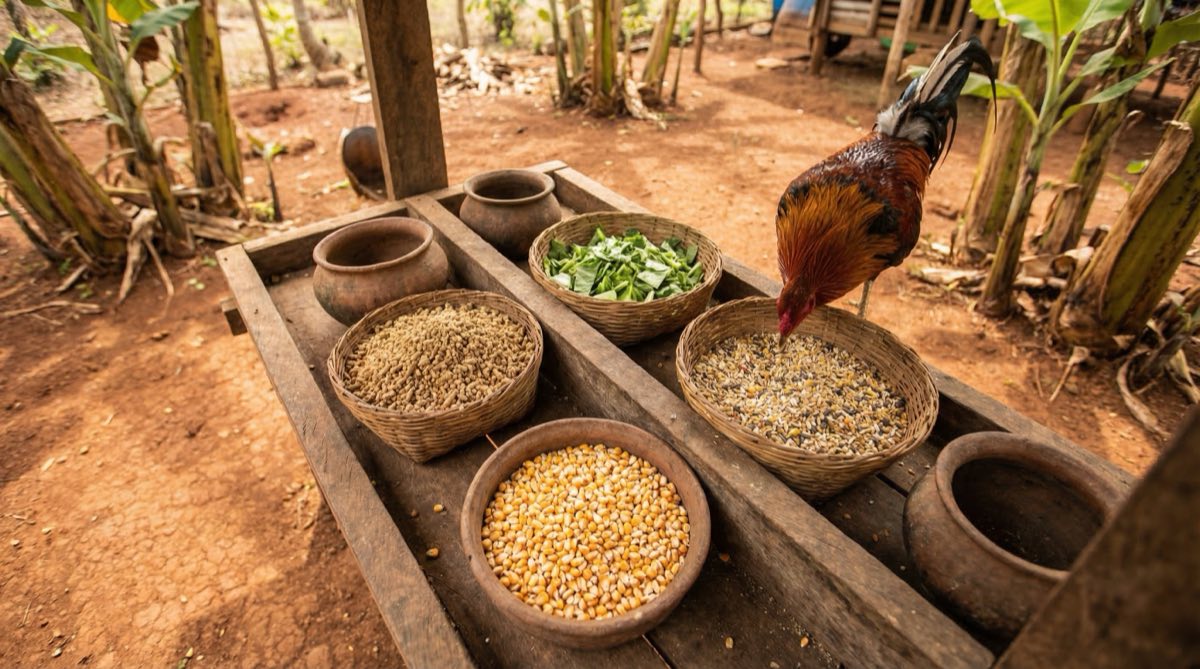
Introduce natural feed supplements — chopped greens (kangkong, malunggay leaves), and occasional treats like boiled eggs or small insects. Variety in the diet helps with overall health and develops natural foraging behavior.
Stage 3: 8-16 Weeks (Developer Phase)
Feed Type: Developer or Maintenance Feed
At this stage, the gamefowl is actively developing bone structure, muscle mass, and initial feathering. The feed should have 16-18% crude protein — the focus is balanced growth rather than rapid weight gain.
Feeding Method
Twice daily feeding — morning and afternoon. Measure the amount so intake is controlled. Overfeeding at this stage results in fat gamefowl that are hard to condition later.
Grit and Minerals
Provide grit (small stones or crushed shells) for digestion. Gamefowl don’t have teeth — they need grit in their gizzard to grind feed. Also add oyster shell or limestone grit for calcium supplementation.
Separation of Stags
By 12-16 weeks, stags will start fighting each other. Separate them into individual housing or a tie cord system to prevent injuries.
Stage 4: 16-32 Weeks (Grow-Out and Pre-Conditioning)
Feed Type: Maintenance Feed
Gamefowl at this stage are in maintenance mode — still growing but at a slower rate. The feed should have 15-17% crude protein and focus on maintaining good body condition without excess fat.
Feeding Program
Twice daily, controlled portions. The amount depends on size — typically 80-120 grams per feeding for a growing stag.
Scratch Grains
Introduce scratch grains — cracked corn, whole grain, or mixed grains — as supplementary feed. Scratch grains provide variety and additional energy. They shouldn’t be the main feed — just a supplement.
Free Range (If Possible)
If you have the space, let gamefowl free range for a few hours daily. Natural foraging improves muscle tone, mental health, and overall conditioning readiness.
Stage 5: Conditioning Phase (Pre-Fight)
Feed Type: High-Performance Conditioning Feed
The conditioning phase — typically 14-21 days before a fight — has a specialized feeding program:
Week 1-2 of Conditioning: High protein (20-22%), moderate carbs, low fat. Focus on building muscle and energy reserves. Higher protein feeds are appropriate here.
Last Week (Keep/Pointing): The diet shifts to higher carbohydrate, lower fiber — for maximum energy storage. Some breeders use conditioning pellets specifically formulated for this.
Common Conditioning Feeds in the Philippines
B-Meg Game Fowl Conditioning Feed is a popular choice. Thunderbird Conditioning Pellets is another well-known brand. And many breeders make their own mix — corn, pellets, boiled eggs, and supplements.
Supplements During Conditioning
Common conditioning supplements in the Philippines include:
B-Complex vitamins — for energy metabolism and appetite. Injectable B-complex is popular, but oral forms are also available.
Iron supplements (Red Cell) — for blood building and oxygen-carrying capacity. “Red Cell” is one of the most searched supplements on Google Trends.
Vitamin E — for muscle recovery and endurance.
Electrolytes — for hydration and mineral balance, especially in the hot climate.
V22 — a popular multi-vitamin supplement in the Philippine gamefowl community that contains a combination of vitamins and amino acids.
Feeding Schedule During Conditioning
Most conditioning programs follow a strict feeding schedule — same time daily, measured portions, and specific supplements at specific times. Consistency is key.
Stage 6: Breeding Stock Nutrition
Broodcocks and broodhens have different nutritional needs:
Broodhens (Egg-Laying)
Higher calcium — for eggshell quality. Provide oyster shell or calcium supplement. Higher protein (18-20%) — for egg production and recovery between clutches. Adequate fat — for egg yolk formation.
Broodcocks
Moderate protein (16-18%) — for maintenance of body condition and sperm quality. Vitamin E supplementation — proven to improve fertility. Not conditioning — broodcocks during breeding season should not be in conditioning — energy should be focused on reproduction, not fighting.
Feeding Mistakes to Avoid
Overfeeding. Fat gamefowl are hard to condition and carry excess weight poorly. It’s better to be slightly lean than overweight.
Monotonous diet. Feeding only pellets or only corn isn’t balanced. Vary the diet to cover all nutritional needs.
Dirty feeders and waterers. Contaminated feed and water are a primary source of disease. Clean feeders and waterers daily.
Sudden feed changes. Don’t switch feed brand or type abruptly. Transition gradually over 5-7 days — mix old and new feed so the digestive system can adjust.
Ignoring water quality. Dirty water is more dangerous than dirty feed. Make sure the water supply is always clean and fresh.
Quick Reference: Feeding Schedule by Age
For easy reference, here’s the summary:
Day 1 to Week 4: Chick Starter (21-24% protein), ad libitum feeding, add electrolytes to water.
Week 4 to Week 8: Grower Feed (18-20% protein), ad libitum or controlled, introduce greens.
Week 8 to Week 16: Developer Feed (16-18% protein), twice daily controlled, provide grit.
Week 16 to Week 32: Maintenance Feed (15-17% protein), twice daily controlled, supplement with scratch grains.
Conditioning (14-21 days pre-fight): Conditioning Feed (20-22% protein), strict schedule, with supplements.
Breeding Stock: Specialized nutrition, higher calcium for hens, Vitamin E for cocks.
Conclusion
A proper feeding program isn’t complicated — but it requires consistency, attention to detail, and a willingness to invest in quality feeds and supplements. Gamefowl that are well-fed from chick to adult have better health, better development, and better overall body condition.
Don’t take shortcuts on nutrition. Cheap feed today becomes an expensive problem tomorrow.
For more tips on gamefowl care and management, visit the ManokHub Blog & Guides.
👉 See our guide on finding and vetting gamefowl breeders for how to ask about a seller’s nutrition program before you buy.
Looking for quality gamefowl from breeders with proper nutrition programs? See our guide to finding gamefowl breeders.
Frequently Asked Questions
What are the best maintenance feeds for gamefowl?
A 15-17% crude protein maintenance or grower feed, fed in measured twice-daily portions. Gamefowl-specific maintenance lines from B-Meg or Vitarich are common local choices; a quality poultry grower mash works as a substitute. Keep high-protein and conditioning feeds out of the maintenance phase so birds don't gain fat.
What are the best high-protein feeds for gamefowl?
High-protein feeds run 18-22% crude protein and suit chicks, growers, and the muscle-building stage of conditioning — chick booster (21-24%), gamefowl grower, and higher-protein conditioning pellets. Adults in maintenance don't need high protein; it just adds fat.
How much protein does a gamefowl need?
It depends on the stage: 21-24% for chicks, 18-20% for growers, 15-17% for maintenance and grow-out, and back up to 20-22% during conditioning. Protein builds muscle and feather, so needs peak when the bird is growing or building for a fight.
What's a good gamefowl feed mix?
Start with a stage-appropriate base pellet (it carries the balanced protein, vitamins, and minerals), then add scratch grains like cracked corn as a supplement — not the main feed. Change feed types gradually over 5-7 days to avoid digestive upset.
How often should you feed gamefowl?
Chicks get ad libitum (unlimited) access for the first 4 weeks. From the grower phase onward, most breeders switch to controlled feeding twice daily — morning and afternoon — to prevent obesity.
How much should a gamefowl eat per feeding?
A growing stag in the grow-out phase typically eats 80-120 grams of feed per feeding, twice daily. The exact amount depends on body size and condition.
What is the best conditioning feed for gamefowl?
A conditioning feed pairs 20-22% protein early in the 14-21 day keep with higher-energy grains in the final week. B-Meg Game Fowl Conditioning Feed and Thunderbird conditioning pellets are popular ready-made options in the Philippines.